

Kenya is the land that defined the word safari. From the vast golden plains of the Masai Mara to the snow-capped peak of Kilimanjaro looming over Amboseli, this is a country that delivers big wildlife experiences with an intimacy few other destinations can match.
As the birthplace of the East African safari tradition, Kenya offers an extraordinary diversity of landscapes and wildlife packed into a relatively compact geographic area. With over 50 national parks and reserves, more than 1,100 bird species, and all of the Big Five readily viewable in multiple locations, Kenya consistently ranks as Africa's most popular safari destination. But beyond the wildlife sightings, what truly sets Kenya apart is the warmth of its people and the deep-rooted safari culture that permeates every lodge and camp.
Top Parks & Reserves
Kenya's safari circuit is remarkably accessible. Most parks are within a 45–60 minute flight from Nairobi, making it possible to visit multiple ecosystems in a single trip. The Masai Mara National Reserve is the crown jewel — famous for the Great Migration between July and October, but exceptional year-round for big cat viewing. The Mara conservancies offer private-vehicle experiences with off-road driving and night game drives that transform the safari experience.
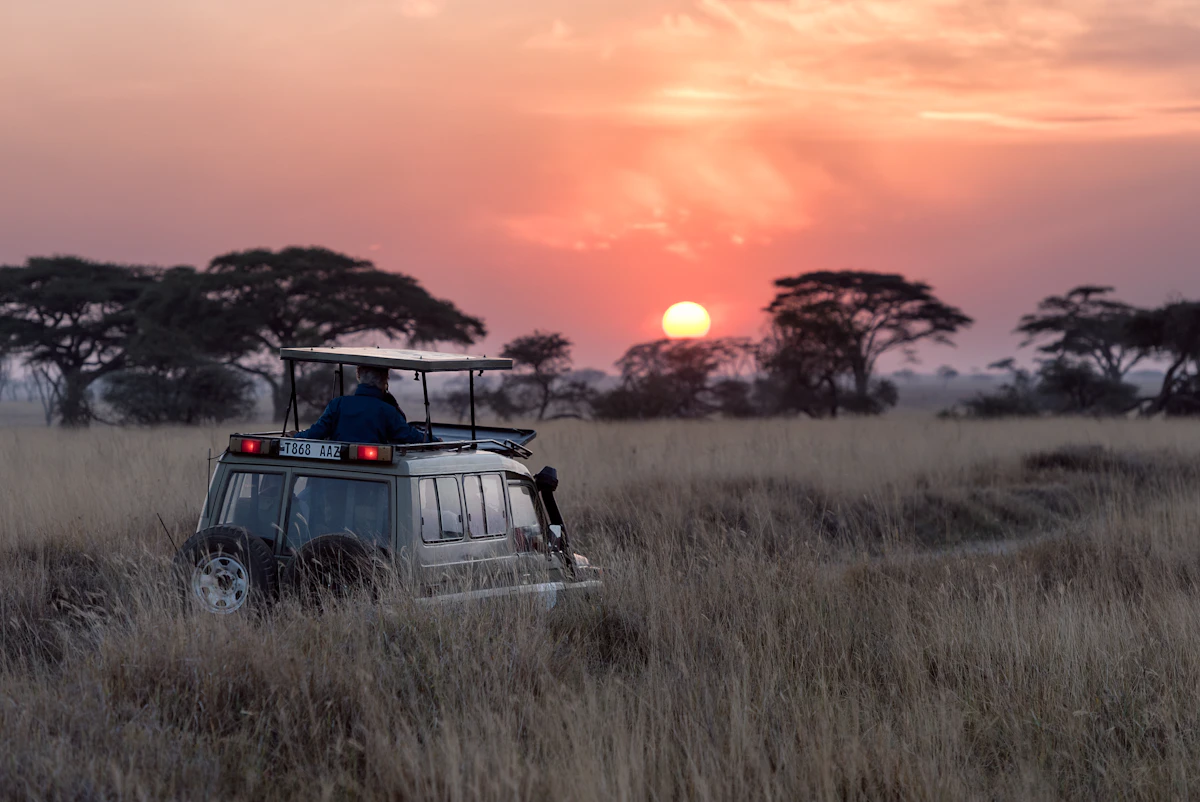
The endless plains of the Masai Mara — the stage for the greatest wildlife show on earth during the migration season.
Amboseli National Park delivers Kenya's most iconic vista: herds of elephants silhouetted against the towering peak of Mount Kilimanjaro. The park is renowned for its massive tusker elephants — some of the largest in Africa — and its year-round reliable game viewing. Tsavo East and West together form one of the world's largest wildlife sanctuaries, home to the famous "red elephants" that dust themselves with the region's characteristic ochre soil.
Kenya Month-by-Month Guide
Kenya's seasons dictate wildlife movements, road conditions, and overall safari quality. Here is our month-by-month breakdown:
| Period | Destination Focus | Conditions | Guide Recommendation |
|---|---|---|---|
| Jan – Mar | Amboseli, Tsavo, Laikipia | Dry & Hot: Excellent game viewing as animals concentrate around water sources. Peak tourism in February. | Best for elephant photography in Amboseli. Clear skies for Kilimanjaro views. Book Laikipia for wild dog sightings. |
| Apr – May | Masai Mara, Aberdares | Long Rains: Lush green landscapes. Fewer tourists and lower lodge rates. Some airstrips may close. | Ideal for birding and photography of dramatic storm skies. Great value season for budget travellers. |
| Jun – Oct | Masai Mara, Amboseli, Samburu | Peak Dry Season: Prime safari conditions. Migration herds in the Mara from July. High season rates. | Book Mara camps 12 months ahead. Combine with a few nights in a private conservancy for exclusive crossing views. |
| Nov – Dec | Tsavo, Amboseli, Coastal Parks | Short Rains: Brief afternoon showers. Parks are lush and less crowded. Good availability. | Lovely time for Tsavo and coastal parks like Watamu and Diani. Combine a safari with a beach extension. |
Cultural Experiences
A Kenyan safari is not complete without engaging with the country's rich cultural heritage. The Maasai people, with their distinctive red shukas and intricate beadwork, are the most recognisable Indigenous community in East Africa. Visiting a Maasai manyatta (village) offers insight into a semi-nomadic lifestyle that has coexisted with wildlife for centuries. However, we recommend choosing community-run cultural experiences that prioritise authentic exchange over performative tourism.
In northern Kenya, the Samburu and Turkana communities offer entirely different cultural perspectives. The Laikipia Plateau is home to community-run conservancies like Il Ngwesi and Lekurruki, where you can stay in lodges owned and operated by local communities. These stays directly fund schools, healthcare, and conservation patrols — making your tourism spend a force for good.

A Maasai elder in traditional attire — the Maasai have coexisted with Kenya's wildlife for centuries and are integral to conservation efforts.
The Swahili culture of Kenya's coast offers yet another dimension. In historic towns like Lamu and Mombasa's Old Town, you can explore centuries-old stone architecture, spice markets, and a fusion of African, Arab, and Portuguese influences that shaped the East African coast. A well-planned itinerary can seamlessly blend a bush safari with a coastal cultural immersion.
Planning Your Kenya Safari
Planning a Kenya safari requires careful consideration of logistics, timing, and budget. The good news is that Kenya's infrastructure is excellent for safari travel. Wilson Airport in Nairobi operates dozens of daily bush flights to park airstrips, making multi-park itineraries easy to execute. Most travellers start with 3–4 nights in the Masai Mara, followed by 2–3 nights in Amboseli, and finish with a beach stay on the coast at Diani or Watamu.
For those seeking exclusivity, the private conservancies of the Mara, Laikipia, and the Chyulu Hills offer lodge-only access to vast wilderness areas. Properties like Angama Mara, Ol Donyo Lodge, and Loisaba Tented Camp set the global standard for luxury safari accommodation without sacrificing authenticity. Budget-conscious travellers will find excellent mid-range options in parks like Tsavo West, Lake Nakuru, and Samburu.
Visa requirements are straightforward — most nationalities can obtain an e-visa online before travel. Kenya's government has also made significant investments in park infrastructure and ranger training, ensuring that your safari experience is safe, well-managed, and environmentally responsible.
Frequently Asked Questions
Quick answers to the most common questions about planning a Kenya safari.
The best time for wildlife viewing is during the dry season, June to October. For the Great Migration in the Masai Mara, July through October is peak. January and February are also excellent for general game viewing in Amboseli and Tsavo.
A minimum of 5–7 days is recommended for a satisfying safari experience. A 10-day itinerary allows you to visit 3 different parks and add a beach extension. For a comprehensive Kenya experience, 12–14 days is ideal.
Yes. Kenya's safari circuit is extremely safe for tourists. Wildlife areas are well-patrolled, and tourism is Kenya's most important industry. We provide 24/7 support and ensure all our partners maintain the highest safety standards.
The Mara Reserve is government-managed with strict rules (day drives only, no off-roading). Conservancies are community-owned private areas that permit night drives and off-road game viewing, offering a much more exclusive experience with far fewer vehicles.
Absolutely! Kenya shares borders with Tanzania (Serengeti, Kilimanjaro) and Uganda (gorilla trekking). Cross-border itineraries are popular and seamless with direct flights between Nairobi, Arusha, and Entebbe.
Lightweight neutral clothing, a warm jacket for early morning game drives (temperatures can drop to 10°C in highlands), sturdy walking shoes, binoculars, a camera with a zoom lens, sunscreen, insect repellent, a wide-brimmed hat, and a reusable water bottle.