
Tarangire
National Park
Where Africa's largest elephant herds roam beneath ancient Baobab trees and the Tarangire River draws thousands of animals in a stunning dry-season mini-migration.
Plan Your Tarangire SafariTarangire — Elephants, Baobabs & Untamed Beauty
Often overlooked in favour of the Serengeti, Tarangire National Park offers a quiet, majestic beauty that is truly unrivaled. The park is famous for its high density of elephants — herds of up to 300 gather along the riverbanks — and the iconic Baobab trees that can live for over a thousand years, creating a surreal and ancient landscape.
During the dry season, the Tarangire River becomes the only permanent water source in the region, drawing thousands of animals in a stunning mini-migration of elephant, wildebeest, zebra and buffalo. Predators follow close behind — lion, leopard and cheetah are frequently sighted. The park is also a premier birding destination with over 550 recorded species and one of the best places to spot tree-climbing pythons.
As East Africa safari specialists, Kudu Untamed Safaris knows Tarangire intimately — from the best Baobab-dotted picnic spots to the exclusive luxury camps that offer front-row views of this extraordinary ecosystem. Let us craft your perfect Tarangire expedition.
Six Reasons This is Tanzania's Hidden Gem
From Africa's largest elephant herds to prehistoric Baobab forests, Tarangire delivers a uniquely intimate and awe-inspiring safari experience.
Africa's Greatest Elephant Herds
Encounter herds of up to 300 elephants gathering along the riverbanks — the highest concentration of elephants in Tanzania. Watching these gentle giants move among the Baobabs is one of Africa's most unforgettable wildlife spectacles.
Ancient Baobab Forests
Dotted across the park are towering Baobab trees — some over 1,000 years old — creating a landscape of prehistoric beauty. Their massive trunks and surreal silhouettes make Tarangire one of the most photogenic parks in Tanzania.
Dry-Season Mini-Migration
From June to October, the Tarangire River becomes the lifeblood of the ecosystem, attracting thousands of animals in a spectacular seasonal concentration. Elephant, wildebeest, zebra, buffalo and giraffe gather in extraordinary numbers.
Birding Paradise
With over 550 recorded species, Tarangire is a premier destination for birdwatchers. Expect to see ostriches, hornbills, kingfishers, and the striking yellow-collared lovebird — an endemic treasure of northern Tanzania.
Tree-Climbing Pythons
Tarangire is one of the few places in Africa where you can reliably spot pythons lounging in tree branches. These impressive reptiles drape themselves over Baobab limbs, creating a uniquely surreal photographic opportunity.
Exclusive Luxury Camps
Stay in world-class tented camps tucked under ancient Baobabs and along riverbanks — offering gourmet dining, private sundowners and the intimate, unhurried safari experience that sets Tarangire apart from busier northern parks.
Tarangire Month-by-Month Guide
Wildlife viewing in Tarangire varies dramatically with the seasons. The dry season delivers exceptional concentrations of animals along the river, while the wet season reveals lush landscapes and superb birding.
Iconic Wildlife of Tarangire
From Africa's largest elephant herds to tree-climbing pythons and over 550 bird species — Tarangire's wildlife diversity is extraordinary year-round.
African Elephant
Highest density in Tanzania — herds of up to 300 strong
African Lion
Resident prides patrol the river valley year-round
Leopard
Frequently spotted in acacia woodland and riverine trees
Cheetah
Open plains in the south offer prime cheetah habitat
Giraffe
Large populations of Maasai giraffe roam the park
Cape Buffalo
Large herds congregate near permanent water sources
Tree-Climbing Python
One of the best places in Africa to spot this behaviour
Yellow-Collared Lovebird
Endemic to northern Tanzania — a birder's prize species
How to Experience Tarangire
From dawn game drives among the Baobabs to night drives under a canopy of stars — Tarangire offers an intimate and unhurried safari experience.
 Year-RoundExperience 01
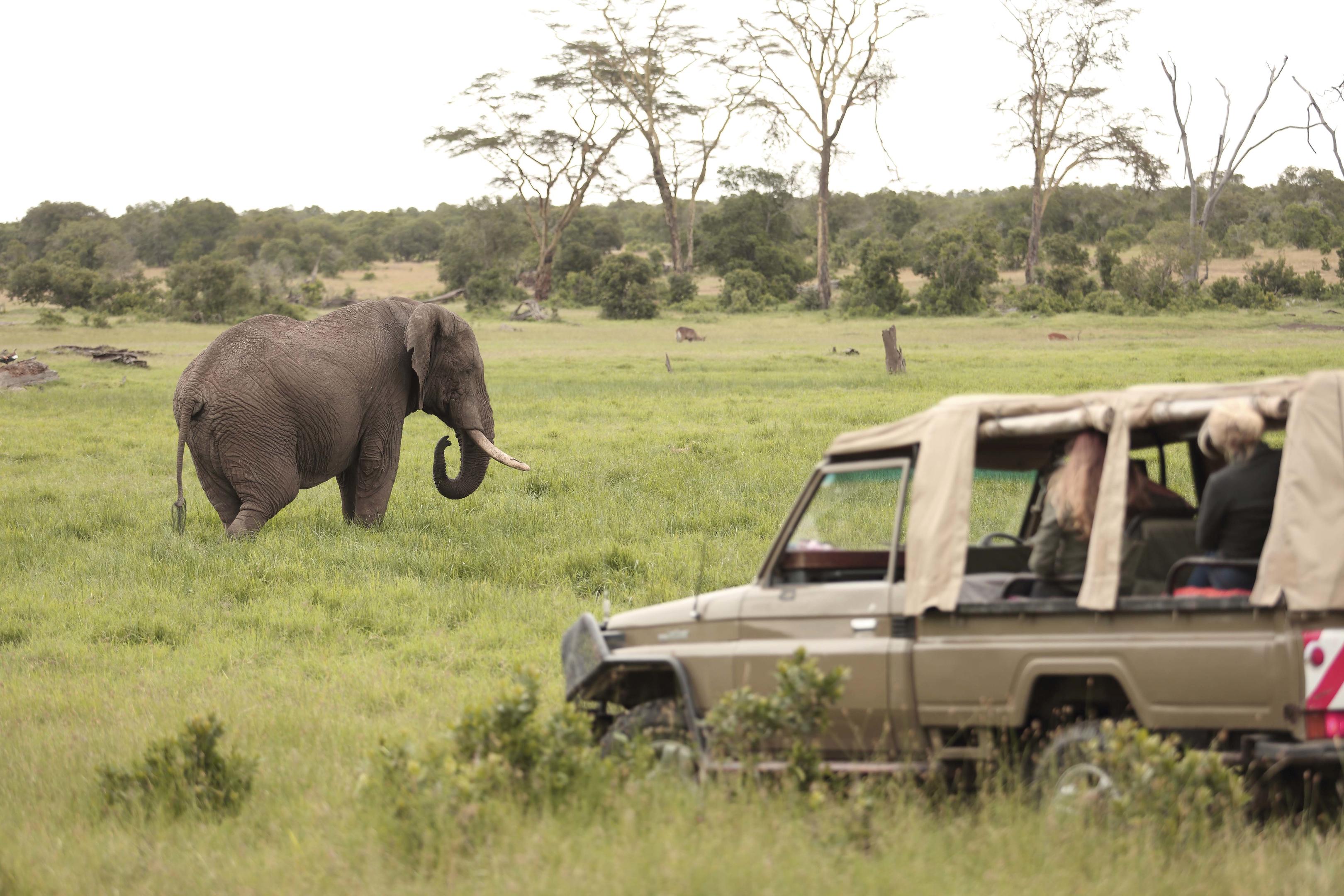
Elephant Encounters Along the Tarangire River
There is something deeply moving about watching a herd of a hundred elephants emerge from the morning mist, their silhouettes framed by the gnarled branches of a thousand-year-old Baobab. In Tarangire, this is not a rare sight — it is an everyday occurrence. The Tarangire River draws elephants from across the ecosystem, and during the dry season they gather in numbers that rival anywhere on the continent. Our expert guides position you for close, respectful encounters that stay with you forever.
- Best viewing between June and October along the river corridor
- Herds of up to 300 elephants gather at prime water points
- Open-topped vehicles for unrestricted photography
- Guides with deep knowledge of elephant behaviour and family groups
 Year-RoundExperience 02
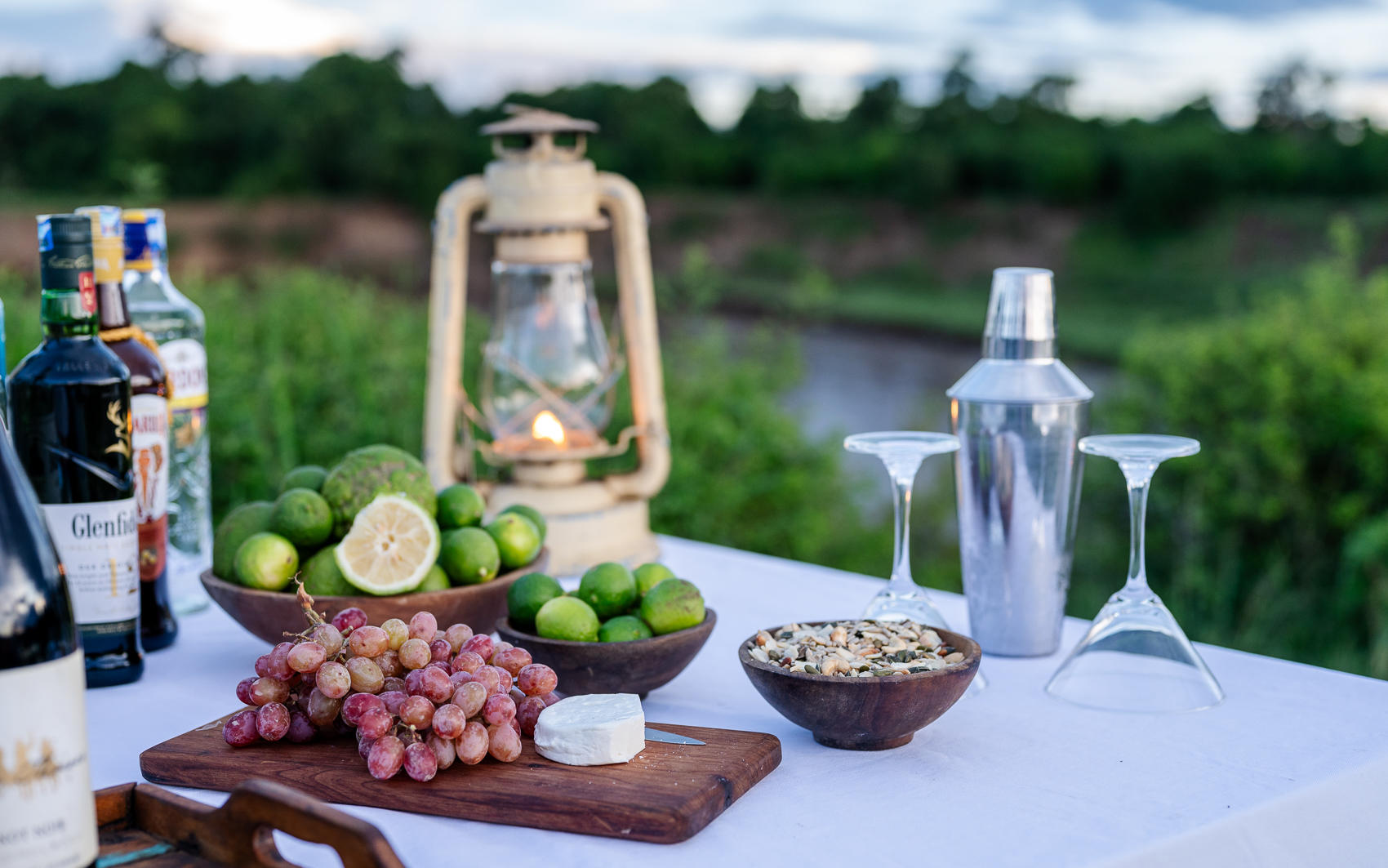
Baobab Sundowners & Bush Dining
As the golden light fades over the Tarangire plains, there is no better place to be than settled under a giant Baobab, gin and tonic in hand, watching elephants silhouetted against the horizon. Tarangire's luxury camps specialise in these unforgettable moments — sundowners at scenic hilltops, bush dinners lit by lanterns under a ceiling of stars, and the sounds of the African night all around you. It is barefoot luxury at its most authentic.
- Sundowner spots at Kitibong Hill and along the river
- Private bush dinners arranged at most luxury camps
- Baobab-side cocktails as the sun sets over the plains
- Perfect for honeymoons and romantic getaways
 Year-RoundExperience 03
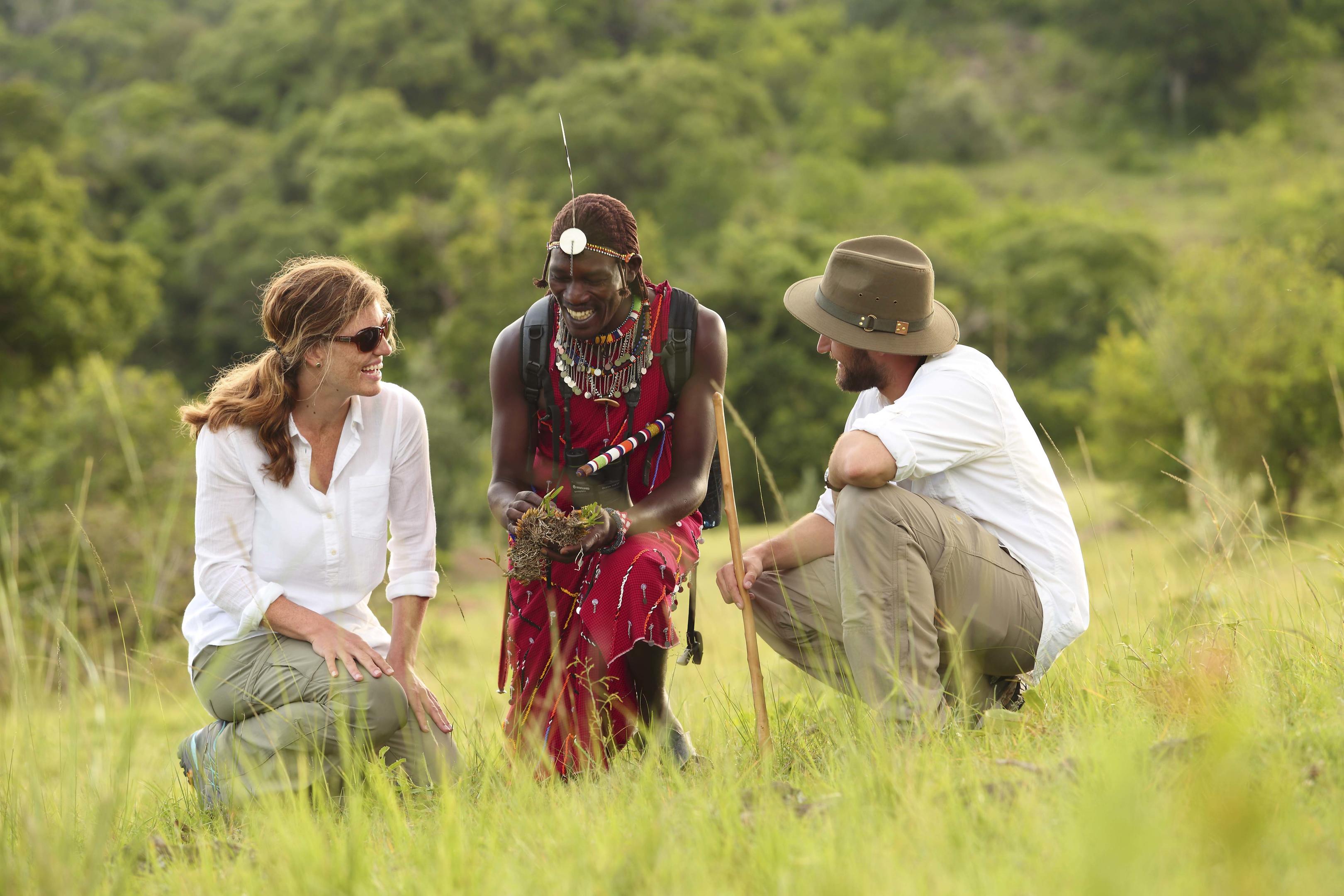
Walking Safaris & Night Drives
While the main park does not permit walking or night drives, several private concessions and camps bordering Tarangire offer guided walking safaris led by expert Maasai and Kibo guides. Tracking animals on foot — reading tracks, listening to the bush and feeling the earth beneath your boots — is an entirely different dimension of safari. Night drives in these concessions reveal Tarangire's nocturnal world: genet cats, bushbabies, nightjars and, on occasion, a leopard on the move.
- Walking safaris in private concessions outside the park
- Led by expert Maasai guides and trackers
- Night drives reveal nocturnal wildlife
- Small groups for an intimate experience
 Year-RoundExperience 04
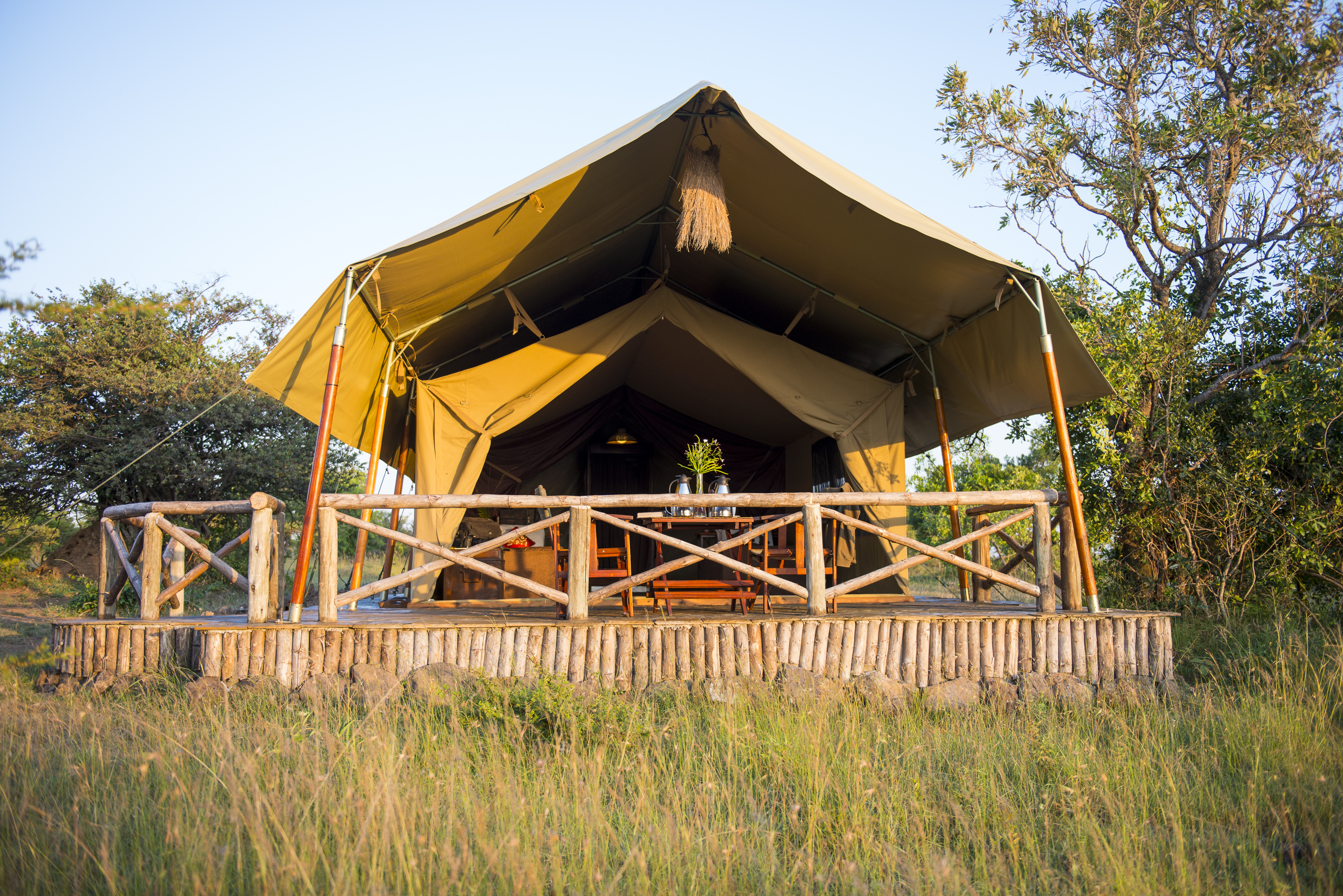
Luxury Camps Among the Baobabs
Tarangire's finest camps are among the most atmospheric in Tanzania — tented suites tucked under the shade of ancient Baobabs, private decks overlooking seasonal floodplains and interiors that blend rustic elegance with the wilderness outside. Many camps offer plunge pools for the heat of the day, gourmet bush dining and some of the most attentive guiding in East Africa. Staying in Tarangire feels like possessing your own private corner of the African bush.
- Luxury tented camps with Baobab-tree settings
- Private plunge pools and indoor-outdoor bathrooms
- Gourmet dining and sundowner traditions
- Intimate camps with 8–12 tents maximum
Essential Tarangire Travel Guide
Everything you need to know before you go — from getting there to what to pack for your Tarangire safari.
Getting There
- Road transfer from Arusha approximately 2.5 hours via a well-maintained tarmac and gravel road.
- Scheduled bush flights from Arusha and Dar es Salaam to Kuro Airstrip inside the park.
- Fly-in is recommended for comfort — the flight itself offers spectacular views.
- Can be combined with Lake Manyara and Ngorongoro for a classic northern Tanzania circuit.
Visas & Entry
- Tanzania eVisa available online for most nationalities — apply at least 2 weeks before travel.
- Yellow fever vaccination certificate required if arriving from an endemic country.
- Valid passport required (minimum 6 months validity beyond travel dates).
- Kudu Untamed Safaris provides full pre-departure documentation assistance.
What to Pack
- Neutral earth tones (khaki, olive, beige) — avoid bright colours and white in the bush.
- Lightweight layers — mornings and evenings can be cool, midday is very hot.
- Good quality binoculars and a camera with a telephoto lens for elephant close-ups.
- Bush flights have strict luggage limits (15kg soft bag only — no hard cases).
Health & Safety
- Malaria prophylaxis strongly recommended — consult your travel clinic before departure.
- All reputable Tarangire camps have emergency medical protocols and evacuation procedures.
- Travel insurance with medical evacuation cover is essential.
- Tap water is not safe to drink — bottled water provided by all camps.
Costs & Fees
- Park entry fees: approximately USD 50–70 per person per day (conservation fee + entry).
- Luxury camp rates: from USD 500 – 1,800+ per person per night fully inclusive.
- Tarangire offers excellent value compared to the Serengeti — a quieter, more affordable luxury safari.
- Kudu Untamed Safaris provides full transparent pricing with no hidden fees.
Trip Duration
- Minimum 2 nights recommended; 3 nights is ideal to fully explore the park.
- Combine with Lake Manyara (1 night) and Ngorongoro (2 nights) for the perfect northern Tanzania circuit.
- A Tarangire–Serengeti combination works well for those wanting both intimate and vast landscapes.
- Our team designs 5–21 day tailor-made itineraries for all travel styles and budgets.
Tarangire Safari — FAQs
Our team answers the questions we hear most often from guests planning their Tarangire safari.
The dry season from June to October is the best time for game viewing, when animals concentrate around the Tarangire River. The elephant herds are at their peak from August to October. January and February offer another dry window with excellent wildlife and fewer visitors. The wet season (March–May) brings lush landscapes and superb birding but animals are more dispersed. For the full Tarangire experience — giant herds, abundant predators and iconic Baobab-framed landscapes — plan your visit between July and October.
Tarangire and the Serengeti offer very different experiences. The Serengeti is vast, iconic and home to the Great Migration — one of the world's greatest wildlife spectacles. Tarangire is smaller, more intimate and far quieter, with a unique landscape of Baobab trees and the highest elephant density in Tanzania. Many guests combine both parks: 2–3 nights in Tarangire for the elephant experience and Baobab atmosphere, followed by 3–4 nights in the Serengeti for the Migration. They complement each other superbly.
Yes — Tarangire is one of the most family-friendly parks in Tanzania. Elephant sightings are virtually guaranteed, game drives are less crowded than the Serengeti, and several camps welcome children with dedicated family suites and activities. The park's relatively compact size means shorter drives between wildlife sightings, which is ideal for younger children. We recommend the dry season for family visits, with camps that offer child-minding and family-friendly guides.
Tarangire has four of the Big Five — elephant, lion, leopard and buffalo are sighted regularly. Black rhino are not present in the park, though they can be seen at nearby Ngorongoro Crater. Elephant sightings are exceptional (the park's signature species), lion and leopard are common in the riverine woodland, and buffalo herds gather in large numbers during the dry season. For the complete Big Five experience, combine Tarangire with Ngorongoro Crater — just a few hours away.
During peak dry season (July–October), the best camps in and around Tarangire book up 6–12 months in advance. For shoulder season (January–February and November), 3–4 months notice is usually sufficient. Tarangire is generally easier to book than the Serengeti, but the top properties — particularly those with Baobab-tree settings — fill quickly. Contact our team early to secure your preferred dates and camp selection.
Don't see your question here? Our specialists are happy to help.
Ask Us AnythingReady to Walk with Giants in
Tarangire?
Our East Africa specialists are ready to craft your perfect tailor-made Tarangire safari — from camp selection to day-by-day itinerary planning.