
Ngorongoro
Crater
Descend into the world's largest inactive volcanic caldera — a self-contained paradise where 30,000 animals roam a lush Garden of Eden.
Plan Your Crater SafariThe Ngorongoro Crater — Nature's Masterpiece
The Ngorongoro Conservation Area is a UNESCO World Heritage site famous for its massive volcanic caldera — formed when a giant volcano exploded and collapsed in on itself millions of years ago. At 260 square kilometres, the crater floor is one of the most wildlife-dense areas in Africa, supporting approximately 30,000 large mammals including the Big Five.
Nowhere else on Earth offers such a concentrated and accessible wildlife experience. The permanent water supply on the crater floor means animals rarely migrate out, so game viewing is spectacular year-round. It is one of the few places in East Africa where you can reliably spot the endangered Black Rhino, alongside massive bull elephants, the highest density of lions on the continent and vast flocks of flamingos on Lake Magadi.
As Tanzania safari specialists, Kudu Untamed Safaris knows the Ngorongoro intimately — from the best descent times to the prime wildlife viewing spots on the crater floor. Let us craft your dream Tanzania itinerary.
Six Reasons the Crater is Unmissable
From the endangered Black Rhino to the world's most dramatic wildlife setting — the Ngorongoro Crater is a destination like no other.
A Natural Wonder of the World
The Ngorongoro Crater is the world's largest unbroken, unflooded volcanic caldera — 600 metres deep and 20 kilometres across. Formed over 2 million years ago, it is a geological masterpiece unlike anything else on the continent.
Rare Black Rhino Sightings
Ngorongoro is one of the best locations in East Africa to see the critically endangered black rhinoceros. The crater's small, protected population is monitored daily, and sightings are remarkably reliable with experienced guides.
Africa's Highest Lion Density
The crater floor supports the highest density of lions in Africa — around 60–80 individuals reside permanently inside the caldera. The famous "Ngorongoro lions" are among the most habituated and photogenic in Tanzania.
Legendary Old Bull Elephants
Ngorongoro is famous for its massive bull elephants — some of the oldest and largest tuskers remaining in Africa. These magnificent giants roam the lush crater floor, often sporting enormous ivory that photographs spectacularly.
Flamingos & Lake Magadi
The shallow soda lake on the crater floor, Lake Magadi, attracts thousands of lesser and greater flamingos, creating a stunning pink fringe against the dramatic caldera walls — a photographer's dream.
The Cradle of Humankind
Olduvai Gorge, located within the conservation area, is one of the most important paleoanthropological sites on Earth, where the Leakey family uncovered the remains of early hominids dating back 3.6 million years.
Ngorongoro Month-by-Month Guide
Wildlife viewing in Ngorongoro is spectacular year-round thanks to permanent water on the crater floor. Use our guide to choose your preferred season.
Iconic Wildlife of Ngorongoro
From the endangered Black Rhino to the densest lion population in Africa — the crater hosts extraordinary wildlife year-round.
Black Rhino
Endangered — one of the best places in Africa to see them
African Lion
Highest lion density in Africa — 60+ in the crater
African Elephant
Famous for massive old bull tuskers
Cape Buffalo
Large herds on the crater floor
Hippopotamus
Lake Magadi and pools host large pods
Flamingo
Thousands gather on Lake Magadi
Spotted Hyena
Large clans active across the crater
Cheetah
Open grasslands offer superb cheetah viewing
How to Experience Ngorongoro
From descending onto the crater floor at dawn to exploring the cradle of humankind — every moment in Ngorongoro is extraordinary.
 Year-RoundExperience 01
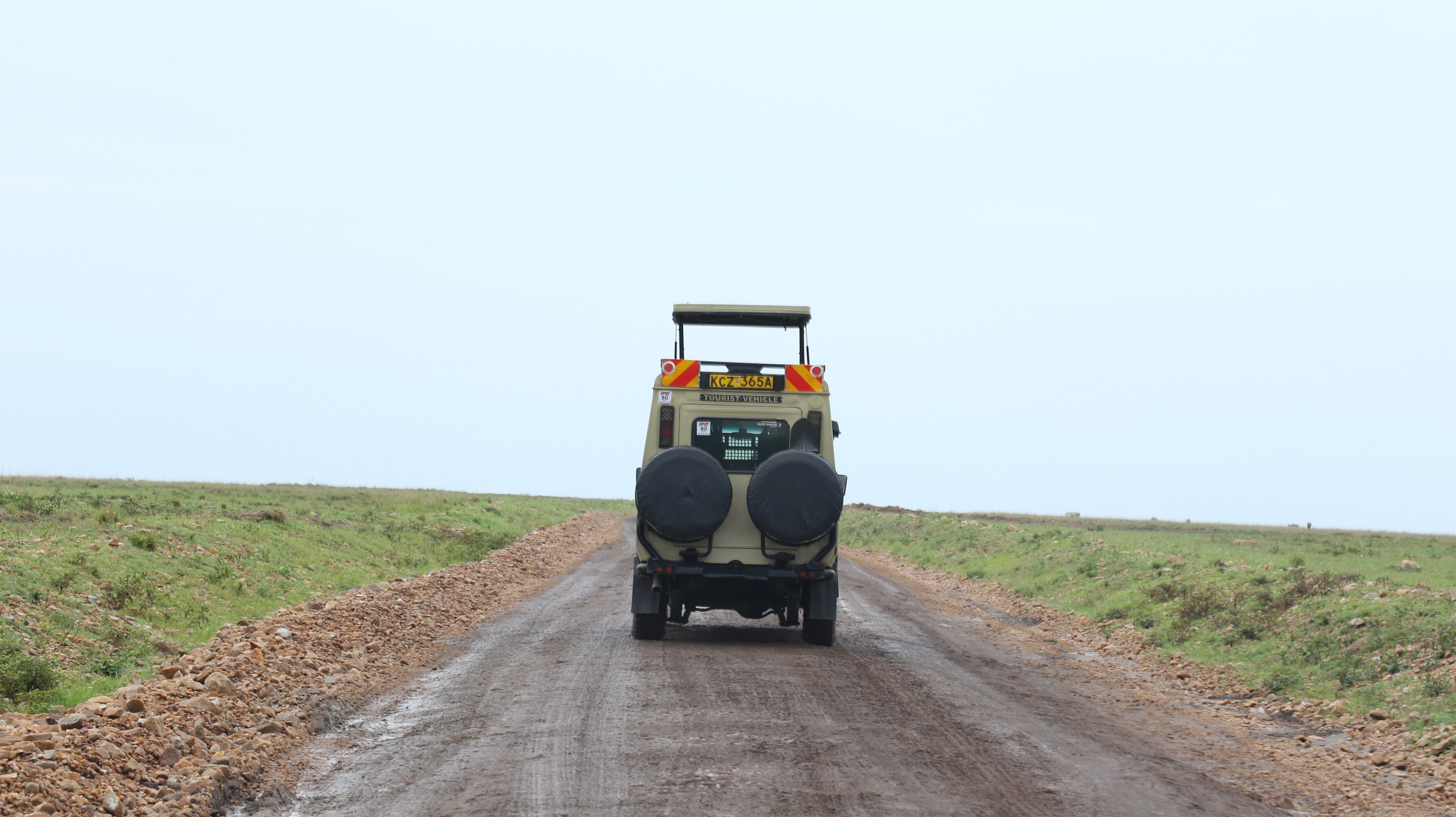
Crater Floor Game Drives
The descent into the Ngorongoro Crater is unforgettable — dropping 600 metres through mist-shrouded cloud forest before emerging onto the vast, wildlife-filled caldera floor. Your game drive across this natural amphitheatre reveals extraordinary concentrations of animals: lions lazing in the grass, elephants crossing the plains, hippos wallowing in the pools and black rhino grazing in the distance. It is wildlife viewing on an almost surreal scale.
- Morning descent for the best light and wildlife activity
- Full day or half-day crater floor exploration
- Picnic lunch by the hippo pools
- Conservation fees contribute to local Maasai communities
 Year-RoundExperience 02
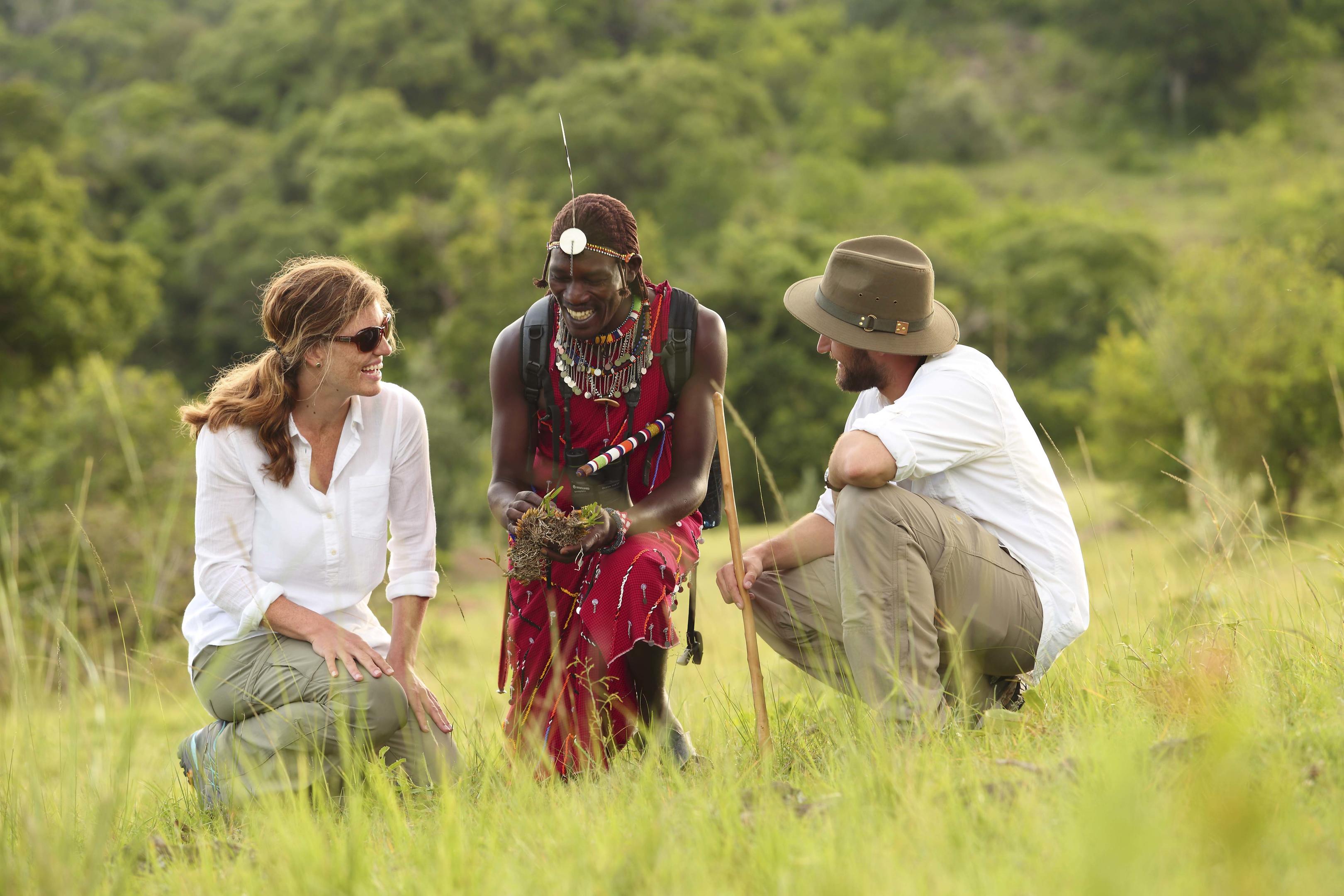
Empakaai Hike & Highland Walks
For those who want to stretch their legs, the Ngorongoro highlands offer spectacular walking opportunities. The rim-to-rim hike of Empakaai Crater takes you through dense montane forest to a viewpoint overlooking a soda lake often ringed with thousands of flamingos. Guided nature walks on the Ngorongoro Rim offer birdsong, wildflowers and the unique perspective of looking down into the famous crater from above.
- Guided hikes in the Ngorongoro highlands
- Empakaai Crater rim trek — stunning panoramic views
- Birding walks through cloud forest
- Led by expert naturalist guides
 Year-RoundExperience 03
Olduvai Gorge & the Cradle of Humankind
Located just outside the crater, Olduvai Gorge is one of the most significant archaeological sites on Earth. Where the Leakey family uncovered 3.6-million-year-old hominid footprints, the museum and guided gorge walk tell the extraordinary story of human evolution. Your visit includes an expert-led tour of the fossil sites and a visit to the on-site museum, bringing the deep history of this landscape to life.
- Guided tour of the archaeological site
- Visit to the Olduvai Gorge Museum
- Hominid fossil and footprint exhibits
- Combine with a crater floor drive for a full day
 Year-RoundExperience 04
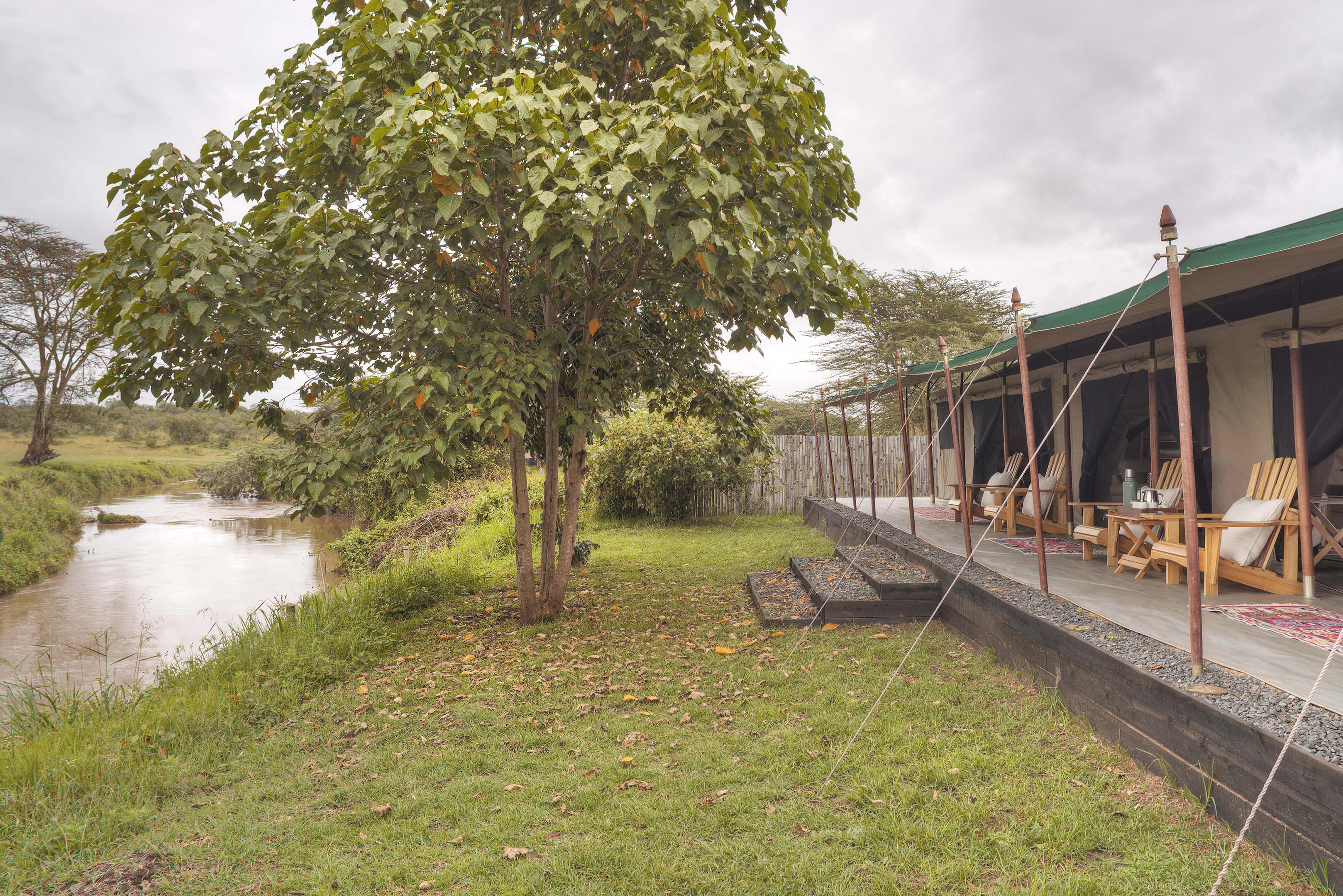
Luxury Crater Rim Lodges
Waking up on the rim of the Ngorongoro Crater is a safari experience in itself. The lodges perched along the crater edge offer some of the most breathtaking views in all of Africa — the sun rising over the caldera wall, the mist clearing from the crater floor below, and a glass of champagne on your private veranda. From the iconic Ngorongoro Crater Lodge to intimate highland retreats, each property offers extraordinary comfort and service.
- Uninterrupted views into the crater from your room
- Gourmet dining with world-class wine cellars
- Personalised butler service and guided crater descents
- Luxurious suites with fireplaces and private decks
Essential Ngorongoro Travel Guide
Everything you need to know before you go — from getting there to what to pack for your Ngorongoro safari.
Getting There
- Fly into Kilimanjaro International Airport (JRO) and drive via Arusha (3–4 hours).
- Road transfer from Arusha is a scenic 3–4 hour drive through the highlands.
- Charter flights available to Lake Manyara airstrip, then 1.5-hour drive.
- Easily combined with a Serengeti safari on the northern circuit route.
Visas & Entry
- Tanzania eVisa available online for most nationalities — apply at least 2 weeks before travel.
- Yellow fever vaccination certificate required if arriving from an endemic country.
- Valid passport required (minimum 6 months validity beyond travel dates).
- Kudu Untamed Safaris provides full pre-departure documentation assistance.
What to Pack
- Neutral earth tones (khaki, olive, beige) — avoid bright colours in the bush.
- Warm layers — the crater rim at 2,286m can be very cold, especially early morning.
- Good quality binoculars and a camera with a telephoto lens.
- Rain jacket for the highlands, even in dry season — mist and drizzle are common.
Health & Safety
- Malaria prophylaxis strongly recommended — consult your travel clinic before departure.
- Acclimatisation to altitude — the crater rim is over 2,200 metres above sea level.
- Travel insurance with medical evacuation cover is essential.
- Bottled water provided — stay hydrated, especially in the sun on the crater floor.
Costs & Fees
- Conservation area entry fees: approximately USD 70–90 per person (independent of park fees).
- Crater descent fee applies per vehicle — shared between safari guests.
- Luxury rim lodge rates: from USD 700 – 2,500+ per person per night.
- Kudu Untamed Safaris provides full transparent pricing with no hidden fees.
Trip Duration
- Minimum 2 nights recommended for Ngorongoro — 1 full day on the crater floor plus rim exploration.
- Combine with the Serengeti (4–5 nights) for the ultimate Tanzania itinerary.
- Add Tarangire and Lake Manyara for a comprehensive northern circuit experience.
- Our team can design 7–21 day tailor-made itineraries for all travel styles.
Ngorongoro Safari — FAQs
Our team answers the questions we hear most often from guests planning their visit to the Ngorongoro Crater.
Ngorongoro is excellent year-round — the permanent water supply on the crater floor means wildlife viewing is consistently good regardless of season. The dry season (June–October) offers the best game viewing as animals concentrate around water sources. The green season (November–May) brings lush scenery, excellent bird watching and far fewer tourists. Unlike many other parks, there is no "bad" time to visit Ngorongoro.
Yes — Ngorongoro is one of the few places in Africa where you can see all Big Five species in a single day. Lion and buffalo are abundant on the crater floor. Elephant are frequently seen, including massive old bull tuskers. Leopards are present but more elusive, usually sighted in the rim forest. Black rhino are the real highlight — the crater hosts a healthy population and sightings are remarkably reliable compared to most other parks.
Absolutely. Ngorongoro and the Serengeti offer completely different experiences. The Serengeti is vast, with the Great Migration and endless plains. Ngorongoro is compact, enclosed and offers incredibly concentrated wildlife — including black rhino that are very rarely seen in the Serengeti. They are located on the same safari circuit and are naturally combined on most Tanzania itineraries. We recommend 2 nights at the crater and 4+ nights in the Serengeti.
Ngorongoro is one of Tanzania's premium destinations with corresponding fees. Conservation area entry is approximately USD 70–90 per person, plus a crater descent fee. However, the density and reliability of wildlife viewing means it offers exceptional value — a single day on the crater floor can deliver more game sightings than a week in some other parks. Kudu Untamed Safaris provides transparent, all-inclusive pricing.
Yes, Ngorongoro is excellent for families. The crater floor is accessible year-round with relatively short game drives (the crater is only 20km across), which suits younger attention spans. The high altitude on the rim (over 2,200 metres) can be challenging for very young children, so we recommend consulting with our team about age-appropriate camps and itineraries. Several rim lodges offer family suites and children's programmes.
For the popular rim lodges and peak season (July–October), we recommend booking 6–9 months in advance. The best crater rim properties — like Ngorongoro Crater Lodge — book out particularly early. For shoulder and green seasons, 3–4 months is usually sufficient. Contact our team as early as possible to secure your preferred lodge and dates.
Don't see your question here? Our specialists are happy to help.
Ask Us AnythingReady to Descend into the
Crater?
Our Tanzania specialists are ready to craft your perfect tailor-made Ngorongoro safari — from rim lodge selection to day-by-day itinerary planning.