
Samburu National
Reserve
Step into a rugged, sun-drenched wilderness where the rare Samburu Special Five roam ancient doum palm forests and the Ewaso Ng'iro River teems with life.
Plan Your Samburu SafariThe Samburu — Raw, Arid, Authentic
Samburu National Reserve offers a starkly beautiful contrast to the green plains of the Maasai Mara. Characterised by the Ewaso Ng'iro River, ancient doum palms and dramatic arid landscapes, this remote reserve is the only place to find the "Samburu Special Five" — rare species uniquely adapted to the northern heat. It is a land of red-robed warriors, desert-adapted elephants and incredible leopard sightings.
The Ewaso Ng'iro River is the lifeblood of the reserve, attracting vast herds of elephants and offering some of the most reliable leopard viewing in Kenya. The riverbanks are lined with doum palms and fig trees, creating a lush green corridor through the otherwise arid landscape — a photographer's dream at golden hour.
As Nairobi-based safari specialists, Kudu Untamed Safaris knows Samburu intimately — from the best camps along the river to the prime leopard spotting trees. Let us craft your authentic northern Kenya itinerary.
Six Reasons to Explore the Northern Frontier
From the rare Special Five to authentic Samburu culture — this is a safari destination unlike any other in Kenya.
The Samburu Special Five
Samburu is the only place in Kenya where you can reliably see the rare Reticulated Giraffe, Grevy's Zebra, Somali Ostrich, Beisa Oryx and the unique Gerenuk — a long-necked antelope that stands on its hind legs to feed.
Ewaso Ng'iro River
The lifeblood of the reserve attracts massive elephant herds, pods of hippos, basking crocodiles and incredible birdlife. The riverine forest creates a lush contrast against the arid backdrop — perfect for golden-hour photography.
Kenya's Leopard Haven
Samburu is widely regarded as the best location in Kenya for consistent leopard sightings. The fig trees along the Ewaso Ng'iro are favourite resting spots, and resident leopardesses can be tracked daily with experienced guides.
Samburu Culture
The semi-nomadic Samburu people, cousins to the Maasai, have inhabited this harsh landscape for centuries. Village visits offer genuine insight into their traditions, beadwork, cattle-keeping ceremonies and deep connection with the land.
Exclusive Riverfront Camps
Samburu's luxury camps are intimate and deeply connected to their surroundings — many perched on the Ewaso Ng'iro's banks with uninterrupted views of elephants drinking, offering a safari experience that feels wonderfully remote.
Exceptional Birding
Over 450 bird species call Samburu home, including Somali bee-eater, vulturine guineafowl, golden-breasted starling and the striking martial eagle — making it a premier destination for dedicated birdwatchers.
Samburu Month-by-Month Guide
Wildlife viewing in Samburu is consistently good year-round thanks to the Ewaso Ng'iro River. Use our guide to choose your preferred season.
Unique Wildlife of Samburu
From the rare Samburu Special Five to desert-adapted species found nowhere else in Kenya.
Reticulated Giraffe
Strikingly patterned — found only in northern Kenya
Grevy's Zebra
Largest wild equid — narrow stripes, round ears
Gerenuk
Long-necked antelope that stands on hind legs to feed
Beisa Oryx
Desert-adapted with striking straight horns
Leopard
Samburu's resident leopards are seen almost daily
Somali Ostrich
Blue-necked ostrich adapted to arid northern Kenya
African Elephant
Large herds gather along the Ewaso Ng'iro daily
Nile Crocodile
Massive crocodiles bask along the riverbanks
How to Experience Samburu
From sundowners by the Ewaso Ng'iro to cultural visits with the Samburu people — every moment in this northern wilderness is unique.
 Year-RoundExperience 01
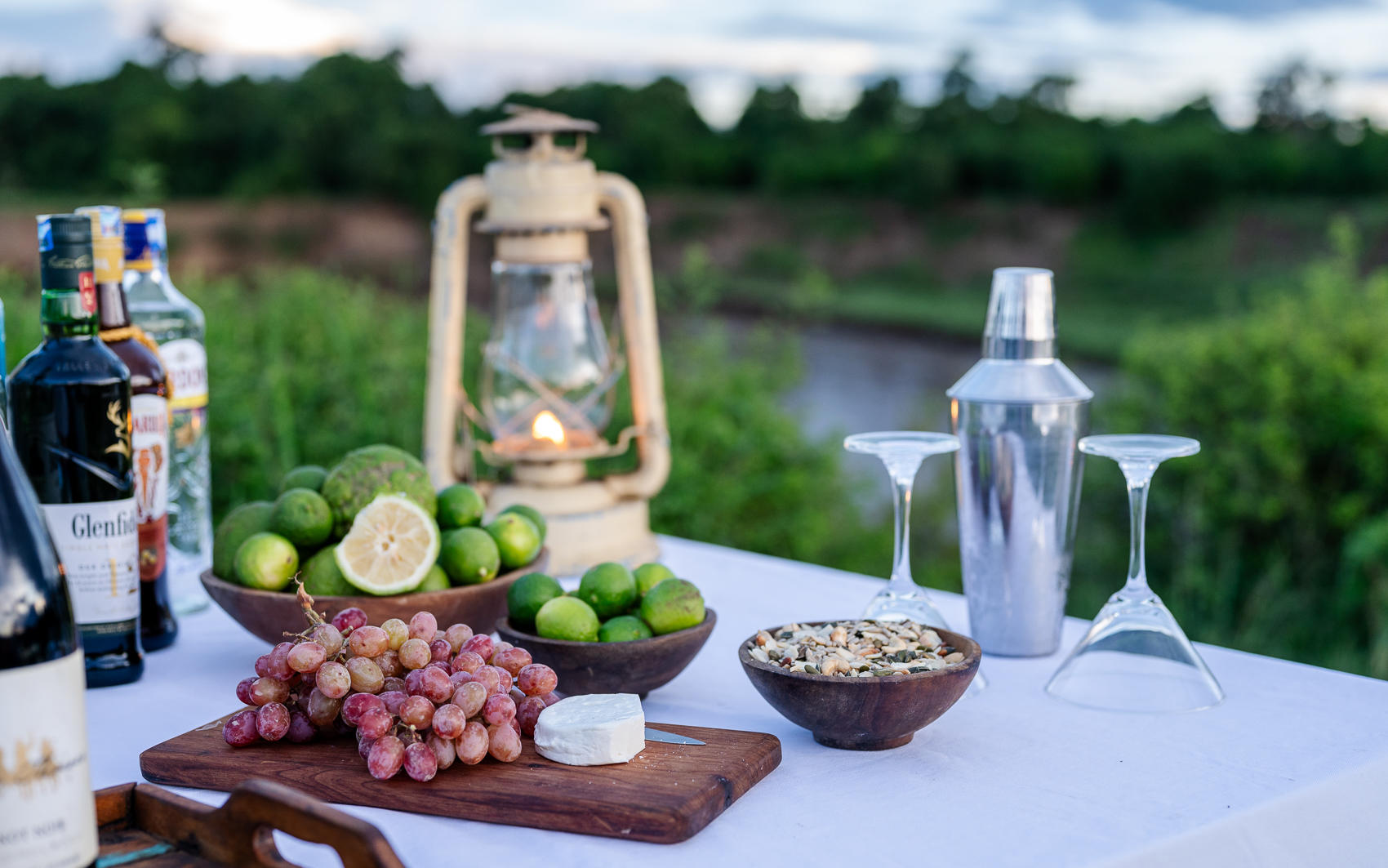
River Sunsets & Sundowner Safaris
As the sun dips behind the Mathews Range, the Ewaso Ng'iro River transforms into liquid gold. Herds of elephants emerge from the acacia woodland to drink, crocodiles slide silently into the water and the sky ignites in shades of amber and rose. No photograph truly captures the stillness of a Samburu sundowner — it must be felt to be believed.
- Sundowner cocktails on the riverbank at golden hour
- Massive elephant herds arrive at the river to drink
- Stunning photographic light and dramatic landscapes
- Available year-round with your private guide
 Year-RoundExperience 02
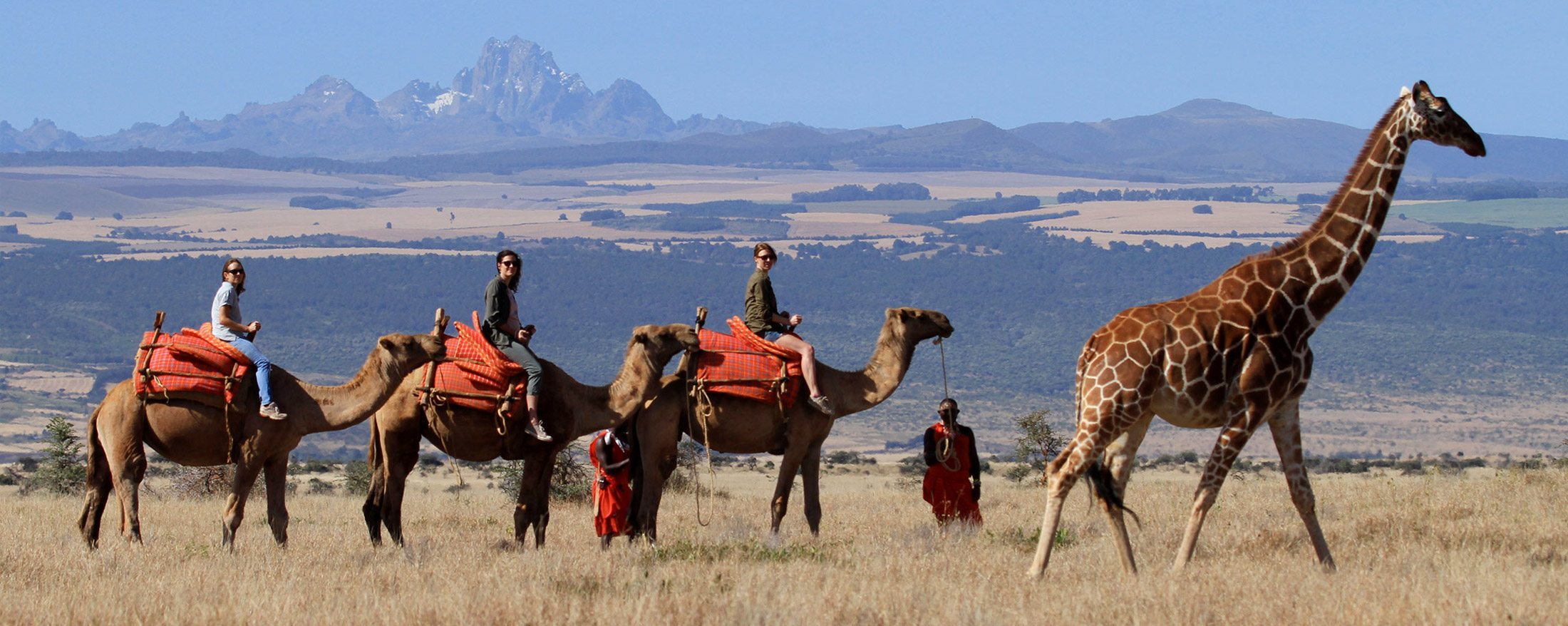
Camel Treks & Walking Safaris
Explore the northern wilderness the traditional way — on foot or by camel. Accompanied by Samburu warriors, a walking safari reveals the small wonders invisible from a vehicle: tracks, medicinal plants, insects and the subtle rhythms of the bush. For a true adventure, camel treks take you deeper into the arid landscape, following ancient routes used by nomadic herders for generations.
- Guided walks with armed Samburu trackers
- Camel-back safaris through the wilderness
- Learn tracking, plant medicine and bush survival skills
- Multi-day camel expeditions available
 Year-RoundExperience 03
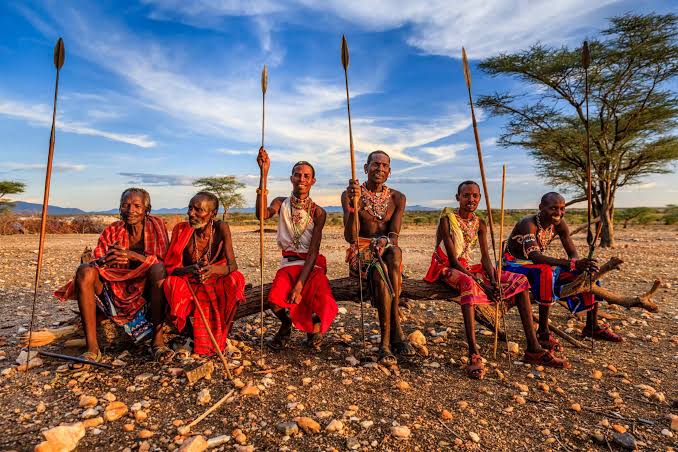
Samburu Village Visits
Visit a traditional Samburu manyatta and step into the life of one of Kenya's most resilient cultures. The warrior-herdsmen of Samburu share their stories, songs and ceremonies with genuine warmth. Watch young men perform the iconic jumping dance, learn about beadwork traditions and understand how the Samburu people have coexisted with wildlife in this harsh landscape for centuries.
- Authentic Samburu community visits
- Traditional jumping ceremonies and dancing
- Bead-making and cultural demonstrations
- Support community conservation initiatives
 Year-RoundExperience 04
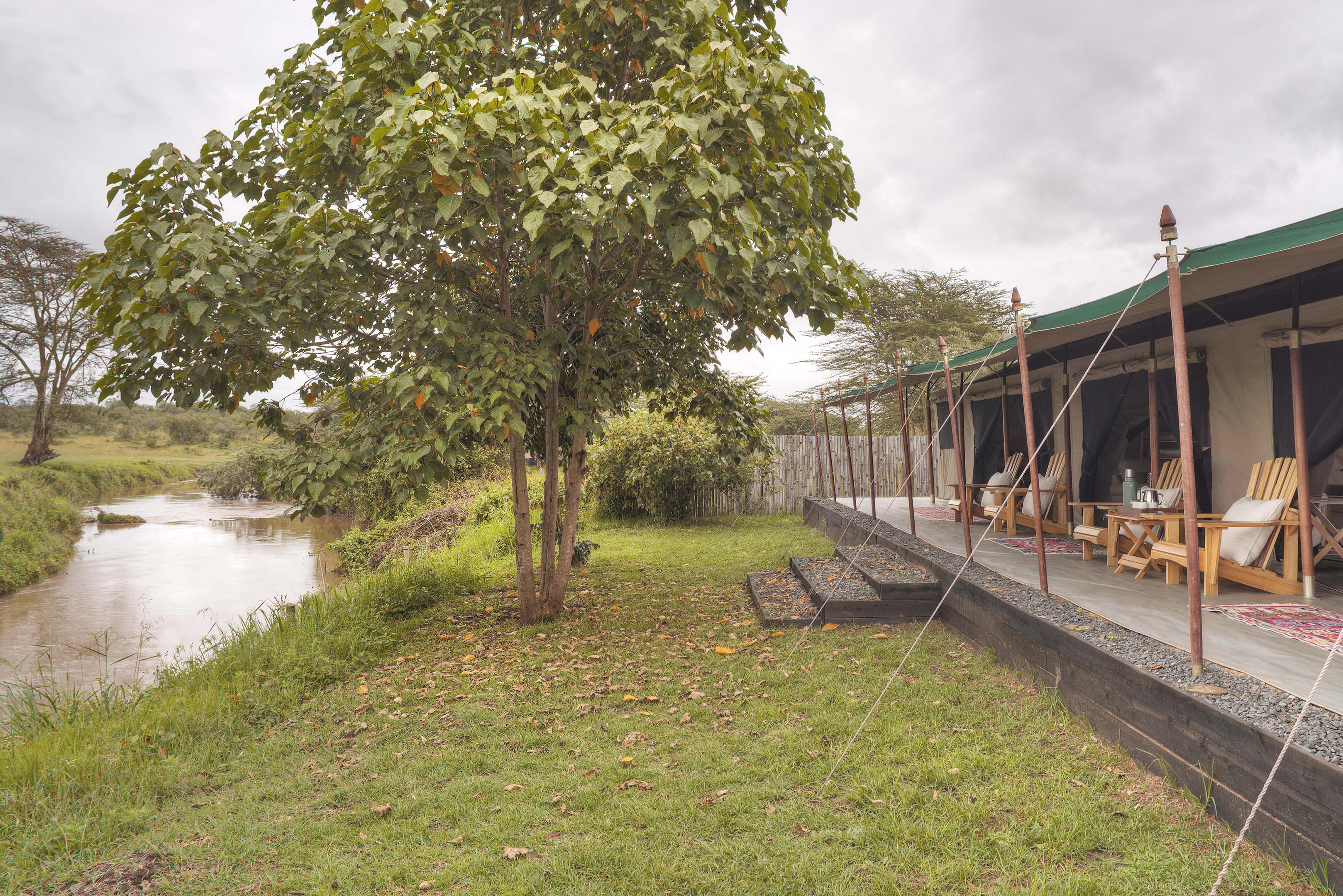
Intimate Riverfront Camps
Samburu's camps are intimate, personal and deeply connected to their wild surroundings. Picture yourself on a private deck overlooking the Ewaso Ng'iro as elephants splash below — this is the essence of a Samburu stay. From the ultra-luxurious Saruni Samburu perched on a mountain ridge to the rustic-elegant Elephant Bedroom Camp on the riverbank, each camp offers a unique perspective on this remarkable landscape.
- Riverfront tented suites and private decks
- Gourmet bush dining under the stars
- Personalised guiding by Samburu naturalists
- Intimate camps with just 6–14 rooms
Essential Samburu Travel Guide
Everything you need to know before you go — from getting there to what to pack for your Samburu safari.
Getting There
- Bush flights from Wilson Airport, Nairobi (1 hour). Multiple scheduled daily flights.
- Road transfer from Nairobi approximately 4–5 hours via Nanyuki.
- Fly-in is recommended to maximise your time in the reserve.
- Direct flights also available from the Maasai Mara and other parks.
Visas & Entry
- Kenya eVisa available online for most nationalities — apply at least 2 weeks before travel.
- Yellow fever vaccination certificate required if arriving from an endemic country.
- Valid passport required (minimum 6 months validity beyond travel dates).
- Kudu Untamed Safaris provides full pre-departure documentation assistance.
What to Pack
- Neutral earth tones (khaki, olive, beige) — avoid bright colours in the bush.
- Lightweight layers, sun hat and sunglasses — Samburu is hotter than most parks.
- Good quality binoculars and a camera with a telephoto lens.
- Bush flights have strict luggage limits (15kg soft bag only — no hard cases).
Health & Safety
- Malaria prophylaxis strongly recommended — consult your travel clinic before departure.
- All reputable camps have emergency medical protocols and evacuation procedures.
- Travel insurance with medical evacuation cover is essential.
- Bottled water provided by all camps — stay well hydrated in the dry heat.
Costs & Fees
- Reserve entry fees: approximately USD 50–80 per person per day.
- Luxury camp rates: from USD 400 – 1,500+ per person per night.
- Guided walking safaris and camel treks available at most camps.
- Kudu Untamed Safaris provides full transparent pricing with no hidden fees.
Trip Duration
- Minimum 2 nights recommended for Samburu. 3–4 nights is ideal.
- Combine with the Maasai Mara (3 nights) for a complete Kenya itinerary.
- Add Ol Pejeta and Aberdare for a diverse northern circuit experience.
- Our team can design 7–21 day tailor-made itineraries for all travel styles.
Samburu Safari — FAQs
Our team answers the questions we hear most often from guests planning their first visit to northern Kenya.
The "Samburu Special Five" refers to five species of wildlife that are uniquely adapted to the arid northern Kenya environment and are not commonly found in other Kenyan parks: the Reticulated Giraffe, Grevy's Zebra, Beisa Oryx, Gerenuk and Somali Ostrich. Samburu National Reserve is the best place in Kenya — and arguably the world — to reliably see all five species in a single day.
June to October is the peak season for wildlife viewing, when the days are dry and animals congregate around the Ewaso Ng'iro River. However, Samburu is excellent year-round — even during the rainy months, the permanent river ensures consistent wildlife concentrations and the landscape becomes beautifully lush. The short rains (November) and long rains (March–May) bring fewer tourists and lower rates.
Yes, several Samburu camps are family-friendly and welcome children with dedicated programmes. The reserve is manageable in size — meaning shorter game drives that suit younger attention spans — and the riverfront setting is endlessly fascinating. We recommend camps with dedicated guides, child-minding services and shallow swimming pools for the hot afternoons.
While the Maasai Mara is defined by lush savannah and the Great Migration, Samburu is a starkly different landscape — arid, rugged and dramatic. Samburu offers species found nowhere else in Kenya (the Special Five), outstanding leopard viewing, a rich Samburu cultural experience and far fewer tourists. The two destinations complement each other perfectly and are often combined on longer itineraries.
Yes — both are present and regularly sighted. Samburu is particularly famous for its leopard population, widely considered the most consistently sighted in Kenya. The fig trees along the Ewaso Ng'iro River are reliable leopard-hunting grounds. Lions are present in smaller numbers than the Mara but sightings are excellent, particularly along the river where prey is abundant.
For peak season (July–October), we recommend booking 6–9 months in advance, especially for the most popular riverfront camps which can fill quickly. For shoulder and green seasons, 3–4 months notice is usually sufficient. Contact our team as early as possible to secure your preferred dates and camp.
Don't see your question here? Our specialists are happy to help.
Ask Us AnythingReady to Explore the Northern
Frontier?
Our Kenya specialists are ready to craft your perfect tailor-made Samburu safari — combining wildlife, culture and remote wilderness in one extraordinary journey.