

If you ask any seasoned East African ranger what experience gives them goosebumps every single time, without exception they will tell you: standing on the banks of the Mara River as thousands of wildebeest leap into the churning, crocodile-infested currents.
The Great Migration is not a single, isolated event or a seasonal show that happens overnight. It is a continuous, relentless 1,000-kilometre circular trek undertaken by nearly two million ungulates across the vast ecosystems of the Serengeti in Tanzania and the Masai Mara in Kenya. Driven by primal instincts and the rhythm of seasonal rainfall, this thunderous movement represents nature's greatest ecological drama.
Understanding the Cycle
Many travellers believe they must visit in July or August to "see the migration." While river crossings are undeniably thrilling, the truth is that the herds are active 365 days a year. The key to an unforgettable safari is matching your expectations with the correct location and month. The migration follows a clockwise loop driven entirely by rainfall patterns.
In January and February, the herds gather on the short-grass plains of the Southern Serengeti and the Ndutu area — the calving season, when over 500,000 calves are born within a matter of weeks. This abundance of vulnerable prey attracts a high concentration of predators, making this period one of the most action-packed for wildlife viewing.
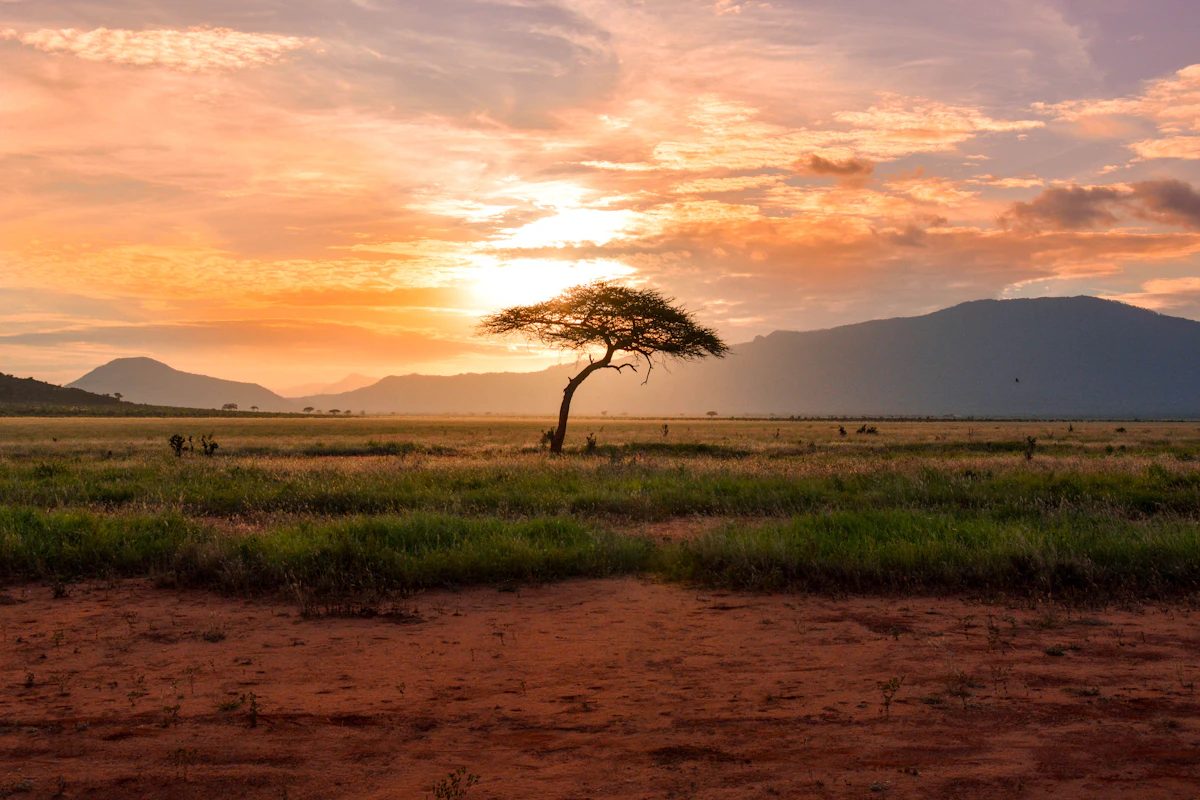
The massive mega-herds spreading across the short-grass plains of Southern Serengeti during the calving season.
The Detailed Migration Calendar
Below is our ranger-tested monthly breakdown to help you pinpoint where the massive herds will be located throughout the year:
| Period | Location | Key Wildlife Highlight | Ranger Tip |
|---|---|---|---|
| Jan – Mar | Southern Serengeti & Ndutu | Calving Season: Over 500,000 calves born. High predator activity (cheetahs, lions, hyenas). | Book early for mobile tented camps in the Ndutu Conservation Area. This is peak photography season. |
| Apr – May | Central & Western Serengeti | Rutting & Northward March: Herds move into the Seronera Valley amidst the long rains. | Great value season with fewer vehicles and lush green backdrops. Some camps close for maintenance. |
| Jun – Jul | Grumeti & Northern Serengeti | Grumeti River Crossings: Herds gather along river banks, facing giant Nile crocodiles. | Look for private concessions adjacent to the park for night drives and off-road tracking. |
| Aug – Oct | Masai Mara (Kenya) & North Serengeti | Mara River Crossings: The ultimate dramatic river-crossing spectacle. Peak tourist season. | Request full-day game drives with packed breakfasts to stay near crossing points from dawn until dusk. |
| Nov – Dec | Eastern Serengeti & Southward Trek | Return Journey: Short rains trigger the herd's movement back toward the southern plains. | Fantastic photography with dramatic stormy skies and golden light. Fewer vehicles make for a serene experience. |
Understanding the movement patterns is essential for planning. Many travellers make the mistake of booking a Serengeti safari in August expecting to see river crossings, only to find the herds have already crossed into Kenya's Masai Mara. Conversely, visiting the Mara in June often results in disappointment as the main herds are still bunched up in the Northern Serengeti, preparing for the crossing.
The Drama of the Mara River Crossings
No spectacle in the natural world rivals the raw emotion of a river crossing at the Mara River. Between July and September, massive herds gather on the high banks, weighing their desperate hunger for the lush grasses of Kenya against the immediate threat of giant crocodiles lying in wait in the murky waters below.
As an observer, patience is paramount. The herds can mass by the thousands on the cliff edge for hours — sometimes days — retreating in panic, turning back in confusion, before a single brave individual finally takes the plunge. Once the first leap happens, the decision is made: a chaotic, thunderous frenzy erupts as thousands of bodies plunge into the water, kicking up spray and mud as they surge across.
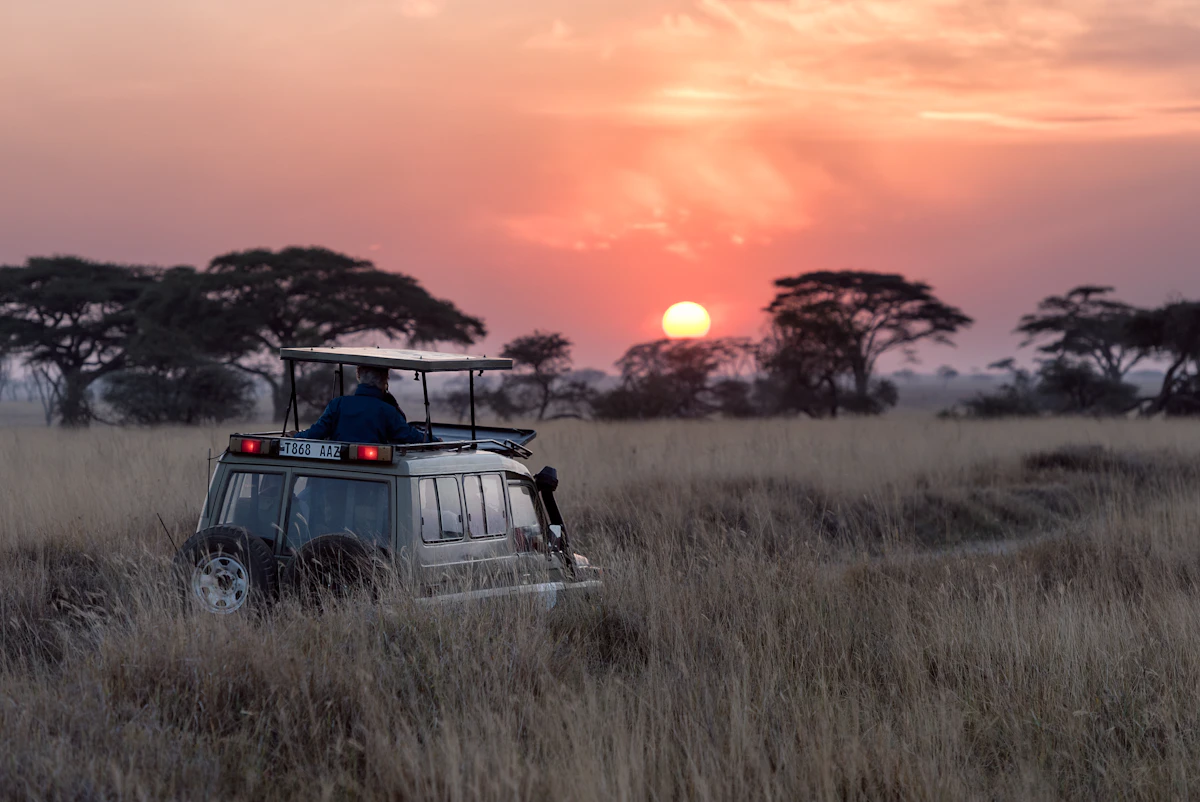
Wildebeest plunging into the Mara River during the peak crossing season — nature's most dramatic wildlife spectacle.
Crocodiles strike with explosive speed, targeting the young and the weak. Zebras, who often cross alongside the wildebeest, use their superior eyesight and strength to navigate the currents. It is a life-and-death struggle played out in real-time, and no two crossings are ever the same. The unpredictability is precisely what makes the Mara River crossings the most sought-after wildlife experience in the world.
Essential Safari Tips for Tracking the Migration
Over our years of guiding the migration, we have compiled a set of essential tips that every traveller should know before embarking on a migration-focused safari:
- Choose Mobile Tented Camps: Unlike permanent stone lodges, mobile camps move twice a year to track the herds directly, ensuring you are never more than a short drive from the action.
- Patience is Everything: Never rush your guide during a river crossing buildup. Dust clouds and hesitation are normal. The reward goes to those who wait quietly.
- Pack Proper Optics: Bring quality 8x42 or 10x42 binoculars for each person in your group. The scale of the migration is vast, and details matter.
- Consider Dual-Country Itineraries: Combine the Masai Mara in Kenya with the Northern Serengeti in Tanzania for the highest chance of catching crossing points from both angles.
- Support Local Maasai Guides: Indigenous Maasai guides possess generations of land knowledge, tracking weather patterns and animal behaviours far better than any GPS.
- Book Accommodation Wisely: Stay in conservancies bordering the Mara for exclusive access to crossing points without the crowds of the main reserve.
Frequently Asked Questions
Quick answers to the most common questions about witnessing the Great Migration.
The peak window for Mara River crossings is typically from late July through September. However, exact timing depends entirely on localized rainfall patterns each year, which can shift the herds by weeks.
Due to high demand and limited camp capacities in key areas like Ndutu and Northern Serengeti, we strongly recommend booking 9 to 12 months in advance. Prime camps in peak season sell out 18 months ahead.
Yes! Children aged 6 and above thoroughly enjoy safari adventures. We recommend private vehicles for families so you can tailor game-drive lengths and toilet breaks around your family's schedule.
Pack neutral-coloured clothing (khaki, olive, beige), a lightweight jacket for early mornings, quality binoculars, a camera with a zoom lens (200–500mm ideal), sunscreen, insect repellent, and a reusable water bottle.
River crossings are a natural phenomenon and cannot be guaranteed. The herds may cross at any point along the river and timing depends on rainfall, water levels, and animal instincts. We position you in prime areas to maximise your chances.
Absolutely! Popular additions include Ngorongoro Crater in Tanzania, Lake Nakuru in Kenya, gorilla trekking in Uganda or Rwanda, and beach extensions to Zanzibar, Diani, or Watamu. We'll design a seamless itinerary for you.
Witness the Thunder of the Migration
Let our master wilderness guides craft an authentic, tailor-made safari itinerary tailored to your dream travel dates.
Consult a Safari Specialist