
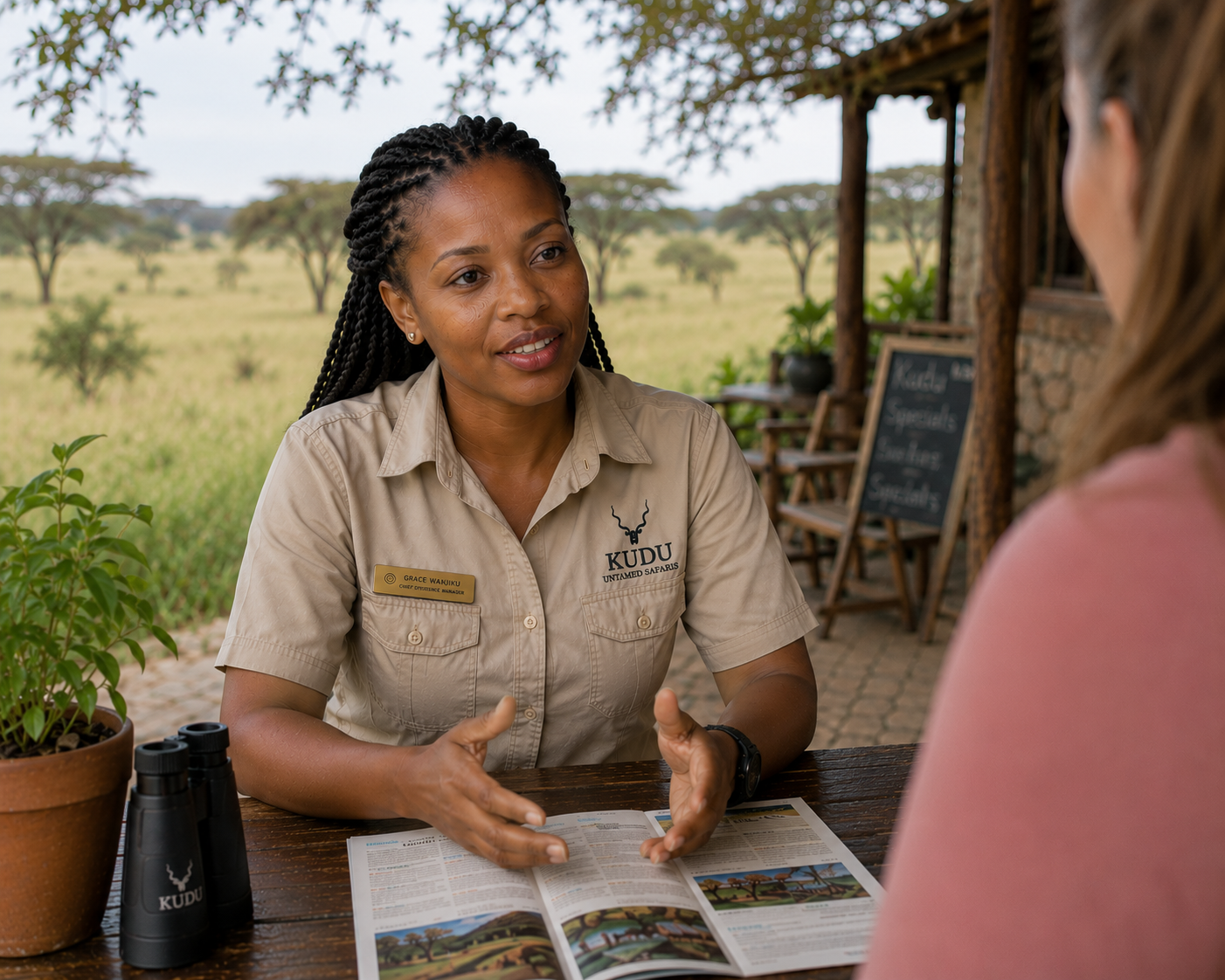
Planning an East African safari is one of the most exciting travel adventures you will ever undertake, but getting it right requires careful preparation. From choosing the perfect season and destination to navigating visas, packing lists, and budgets, this comprehensive guide covers everything you need to know before you go.
Whether you dream of watching the Great Migration thunder across the Serengeti, tracking mountain gorillas in the misty forests of Uganda and Rwanda, or relaxing on the pristine beaches of Zanzibar after your wildlife adventure, the key to an unforgettable safari lies in smart planning. Let our team of experts walk you through every step of the process.
When to Visit — Month by Month
East Africa's climate is defined by two rainy seasons and two dry seasons, each offering a different safari experience. The dry months from late June to October are widely considered the best for wildlife viewing as animals congregate around water sources. However, the green season (November through May) offers lush landscapes, fewer crowds, lower prices, and excellent birding.
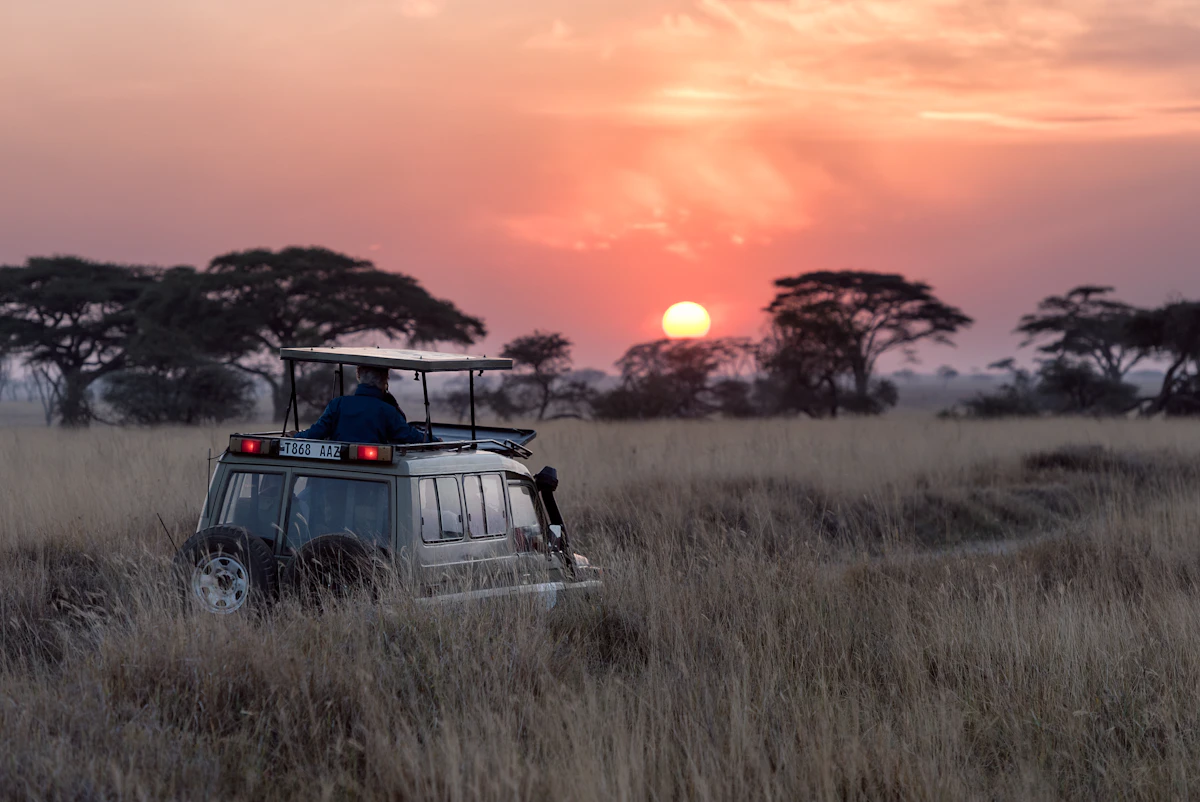
The dry season offers exceptional wildlife viewing as animals gather around permanent water sources.
Month-by-Month Best Time to Visit
Here is our detailed month-by-month breakdown to help you choose the ideal time for your East Africa safari:
| Period | Season | Wildlife & Experience | Pros & Cons |
|---|---|---|---|
| Jan – Feb | Short Dry | Great game viewing. Calving season in Southern Serengeti & Ndutu. Peak predator action. | Excellent weather. Prime time for calving. Moderate crowds. |
| Mar – May | Long Rains | Green landscapes. Fewer tourists. Birds are spectacular. Gorilla trekking still good. | Low season rates. Some camps close. Muddy roads. Lush scenery. |
| Jun – Jul | Early Dry | Migration herds in Western & Northern Serengeti. Grumeti crossings begin. | Excellent viewing. Peak season begins. Higher prices. |
| Aug – Oct | Peak Dry | Mara River crossings peak. Best time for Maasai Mara. Top predator sightings. | Peak season crowds. Premium pricing. Guaranteed quality game viewing. |
| Nov – Dec | Short Rains | Herds move south. Lush landscapes return. Excellent photography with dramatic skies. | Shoulder season. Good value. Fewer vehicles. Brief afternoon showers. |
What to Pack for Your Safari
Packing smartly for a safari is all about balancing comfort, practicality, and respect for the bush environment. Most lodges offer laundry services, so you do not need to pack for every single day. Focus on lightweight, neutral-coloured clothing and quality gear.
Essential Packing List
- Clothing: Lightweight long-sleeved shirts and trousers in khaki, olive, or beige. A warm fleece or jacket for early morning game drives. A swimsuit for lodge pools.
- Footwear: Comfortable walking shoes or trainers for game drives and a pair of sandals for camp.
- Accessories: Wide-brimmed hat, polarised sunglasses, Buff or scarf for dust protection.
- Optics: Quality 8x42 or 10x42 binoculars are essential. A camera with a zoom lens (200–400mm recommended).
- Health & Safety: Sunscreen (SPF 50+), insect repellent with DEET, lip balm with SPF, basic first-aid kit, and any personal medications.
- Electronics: Universal power adapter, power bank, headlamp or torch, extra camera batteries and memory cards.
Avoid bright colours (especially white, blue, and red) that attract tsetse flies and stand out to wildlife. Dark green, khaki, beige, and brown are ideal. Also, note that most lodges are eco-conscious and do not provide single-use plastics, so bring a reusable water bottle.
How to Book Your Safari
Booking a safari involves several steps, and getting it right ensures a smooth and enjoyable experience. Here is a step-by-step guide:
- Decide on Your Destinations: Research which countries and parks interest you most. Kenya and Tanzania offer classic savannah safaris, while Uganda and Rwanda are the premier gorilla trekking destinations.
- Determine Your Budget: Safari costs vary widely. Budget $350–$500 per person per day for mid-range and $800–$1,500 for luxury experiences. This typically includes accommodation, meals, park fees, and guided game drives.
- Choose a Reputable Tour Operator: Look for operators who are licensed, insured, and members of professional associations like KATO (Kenya Association of Tour Operators) or TATO (Tanzania Association of Tour Operators).
- Contact Your Operator: Share your travel dates, preferred destinations, budget range, and any special requirements (family travel, dietary needs, mobility concerns). A good operator will craft a custom itinerary for you.
- Review and Confirm: Carefully review your itinerary, inclusions, and exclusions. Confirm accommodation, vehicle type, guide qualifications, and cancellation policies before paying a deposit.
- Book Early: Peak season camps and lodges fill up 9–12 months in advance. For gorilla permits, book at least 6 months ahead as only a limited number are issued daily.
Safari Budgeting Guide
Understanding the true cost of a safari helps you plan realistically and avoid unexpected expenses. Here is a breakdown of typical costs:
| Expense Category | Budget Range | Mid-Range | Luxury |
|---|---|---|---|
| Accommodation (per night) | $100–$200 | $200–$500 | $500–$1,500+ |
| Park Fees (per person/day) | $20–$70 | $20–$70 | $20–$70 |
| Transport (per day) | $150–$300 | $200–$400 | $400–$800+ |
| Guide (per day) | Included | Included | Included |
| Meals (per day) | Included in accommodation | Included | Included |
Additional costs to factor in include international flights ($800–$2,000 return), travel insurance ($50–$150), tips for guides and camp staff ($10–$20 per person per day), and souvenirs. A 7–10 day safari typically costs between $2,500 and $8,000 per person for mid-range to luxury experiences.
Visas & Health Requirements
Navigating visa and health requirements is a crucial part of safari planning. Requirements vary by country of origin and destination, so always check the latest official government advice before your trip.
Visa Information
- Kenya: eVisas are required for most nationalities. Apply online at evisa.go.ke at least 2 weeks in advance. Cost: approximately $34–$51 depending on nationality.
- Tanzania: eVisa available. Apply at eservices.immigration.go.tz. Single-entry visa costs $50. Can also obtain visa on arrival at major airports.
- Uganda: eVisa available. East Africa Tourist Visa ($100) allows multiple entries to Uganda, Kenya, and Rwanda for 90 days.
- Rwanda: Visa on arrival for most nationalities ($50) or eVisa. Rwanda also offers a 30-day visa-free travel for African Union citizens.
Health Requirements
- Yellow Fever: Required for all travellers arriving from or transiting through countries with yellow fever. Carry your vaccination certificate.
- Malaria: Prophylaxis is strongly recommended for all East African destinations. Consult your doctor at least 4–6 weeks before travel.
- COVID-19: Requirements vary. Check current entry regulations before departure.
- Other Vaccinations: Hepatitis A, Typhoid, and Tetanus are recommended. A rabies vaccination may be advised for longer stays or remote areas.
Choosing a Tour Operator
Selecting the right tour operator can make or break your safari experience. Here are the key factors to consider:
- Licensing & Accreditation: Ensure the operator is licensed by the relevant tourism board (KATO in Kenya, TATO in Tanzania) and holds valid insurance.
- Experience & Reputation: Look for operators with a proven track record. Read recent reviews on TripAdvisor, SafariBookings, and Google. Ask for references from past clients.
- Guide Quality: The guide is the single most important factor in your safari experience. Inquire about guide training, certification, and years of experience.
- Vehicle Standards: Well-maintained 4x4 safari vehicles with pop-up roofs, charging ports, and fridge coolers for drinks. Ask about vehicle age and breakdown protocols.
- Sustainability Practices: Choose operators committed to responsible tourism, local community support, and environmental conservation.
- Transparent Pricing: A reputable operator provides a detailed breakdown of costs with no hidden fees. Compare quotes from multiple operators.
At Kudu Untamed Safaris, we pride ourselves on our expert guides, custom-tailored itineraries, and unwavering commitment to responsible travel. Our team has over 15 years of combined experience crafting unforgettable East African safaris.
Frequently Asked Questions
Quick answers to the most common questions about planning an East African safari.
The dry season from June to October offers the best wildlife viewing as animals gather around water sources. However, the green season (November to May) provides lush landscapes, fewer crowds, and lower prices. Each season has its unique advantages.
For peak season (June to October), we recommend booking 9 to 12 months in advance, especially for popular camps and migration viewing areas. For shoulder and low seasons, 4 to 6 months ahead is generally sufficient. Gorilla permits should be booked at least 6 months ahead.
Yes! Many camps and lodges welcome children aged 6 and above. We recommend private vehicles for families to allow flexibility with game drive lengths. Some camps offer dedicated family-friendly activities like nature walks, cooking classes, and junior ranger programmes.
A 7-day mid-range safari typically costs $2,500 to $5,000 per person, including accommodation, meals, park fees, transport, and guided game drives. Luxury safaris range from $6,000 to $10,000+ per person. International flights, visas, insurance, and tips are additional.
Absolutely. Comprehensive travel insurance is essential for any safari. Ensure your policy covers medical evacuation, trip cancellation, lost baggage, and adventure activities. Some policies exclude certain activities, so check the fine print carefully.
Yes! Multi-country itineraries are very popular. Typical combinations include Kenya and Tanzania for the Great Migration, Uganda and Rwanda for gorilla trekking, or any of these with a beach extension to Zanzibar, Diani, or Watamu. The East Africa Tourist Visa covers Kenya, Uganda, and Rwanda.