

Stretching across nearly 15,000 square kilometres of untamed East African wilderness, Serengeti National Park is far more than a single destination — it is a living, breathing ecosystem that defies simple description. A UNESCO World Heritage Site and the stage for the Great Migration, the Serengeti rewards those who understand its rhythms, its zones, and its seasons.
The Maasai people named it Siringet — "the place where the land runs on forever." And indeed, the Serengeti's vastness can feel overwhelming to first-time visitors. How do you decide where to go and when? Which zone offers the best game viewing during your travel dates? The answer lies in understanding that the Serengeti is not one park but five distinct regions, each with its own personality, wildlife concentrations, and seasonal highlights.
This guide draws on years of on-the-ground expertise from our guiding team. We break down every Serengeti zone, map the migration's movement throughout the year, and share insider tips to help you craft the perfect safari itinerary — whether it is your first visit or your fifth.
Understanding Serengeti's Zones
The Serengeti ecosystem is vast and diverse. To plan your safari wisely, you need to understand each zone's character, wildlife patterns, and seasonal strengths. Here is our zone-by-zone breakdown, informed by daily guiding experience across the entire park.
Southern Serengeti & Ndutu — The Calving Capital
From December through March, the southern short-grass plains and the adjacent Ndutu Conservation Area become the epicentre of life in the Serengeti. This is calving season, when the migration herds converge on the nutrient-rich volcanic soils to give birth. Over 8,000 wildebeest calves are born daily during peak weeks in February, creating a predator's paradise. Lions, cheetahs, and hyenas are ever-present, drawn by the abundance of vulnerable prey.
The landscape here is quintessential safari — golden savannah stretching to the horizon, punctuated by flat-topped acacias and rocky kopjes. Game viewing density is extraordinary during these months, with large prides of lions frequently spotted lounging on the granite outcrops. Ndutu, technically a conservation area rather than part of the national park, also permits off-road driving, offering unparalleled photographic opportunities.
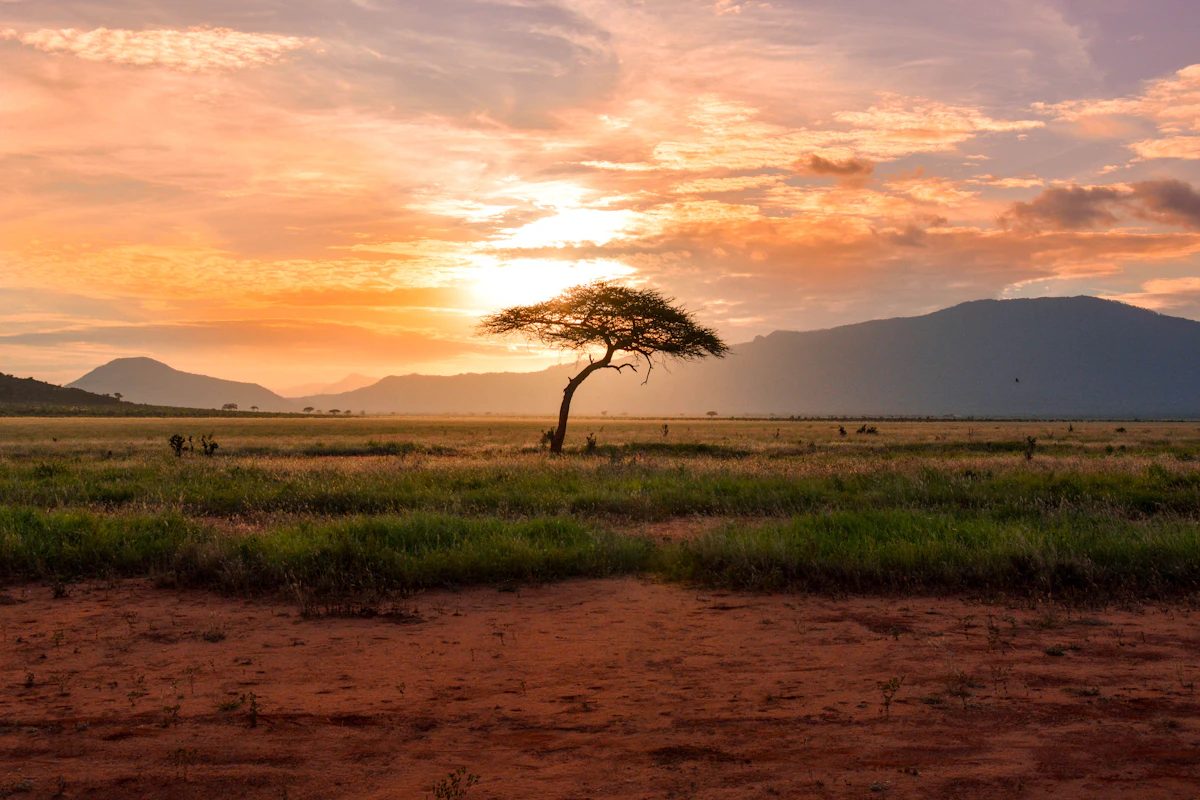
The massive mega-herds on the short-grass plains of Southern Serengeti during the calving season.
Central Serengeti / Seronera Valley — Year-Round Excellence
The Seronera Valley is the heart of Serengeti National Park and offers the most reliable year-round game viewing anywhere in the ecosystem. Its network of rivers — the Seronera, Grumeti, and Mbalageti — ensure a permanent water supply, anchoring resident populations of predators and prey even when the migration herds are far away.
This is the zone where leopard sightings are most consistent. The riverine forests along the Seronera River provide perfect hunting grounds for these elusive cats, and our guides know exactly where to look. Central Serengeti is also home to large lion prides, sizable herds of elephant, giraffe, and the ever-present plains game. The landscape is classic savannah interspersed with kopjes — ancient rocky outcrops that serve as lookout points for both predators and photographers.
Western Corridor & Grumeti — River Crossings Begin
As the long rains taper off around May and June, the migration herds begin their north-westward push toward the Grumeti River. The Western Corridor is a narrow finger of the park dominated by the Grumeti River, which presents the first major water obstacle of the migration journey. This is where giant Nile crocodiles — some exceeding five metres — lie in wait.
The river crossings here are generally less crowded with vehicles than the Mara River crossings further north, offering a more private viewing experience. The landscape transitions from open plains to denser woodlands, with fig trees and riverine forest lining the water's edge. Private concessions adjacent to the park, such as Grumeti Reserves and Singita's concessions, offer night drives and walking safaris not permitted inside the national park itself.
Northern Serengeti — The Mara River Spectacle
The Northern Serengeti is defined by the Mara River, which forms the border between Tanzania and Kenya. Between August and October, the migration herds arrive here, gathering in enormous numbers along the river's banks before plunging into the crocodile-infested waters. These Mara River crossings are among the most dramatic wildlife spectacles on Earth.
Beyond the crossings, the Northern Serengeti offers a landscape of rolling hills, riverine forests, and wide-open valleys that feels distinctly different from the southern plains. Wildlife is abundant year-round, with healthy populations of elephant, buffalo, giraffe, and the region's famous lion prides. The Kogatende area is the prime crossing-viewing zone, and our recommendation is to spend at least three nights here during peak migration months.
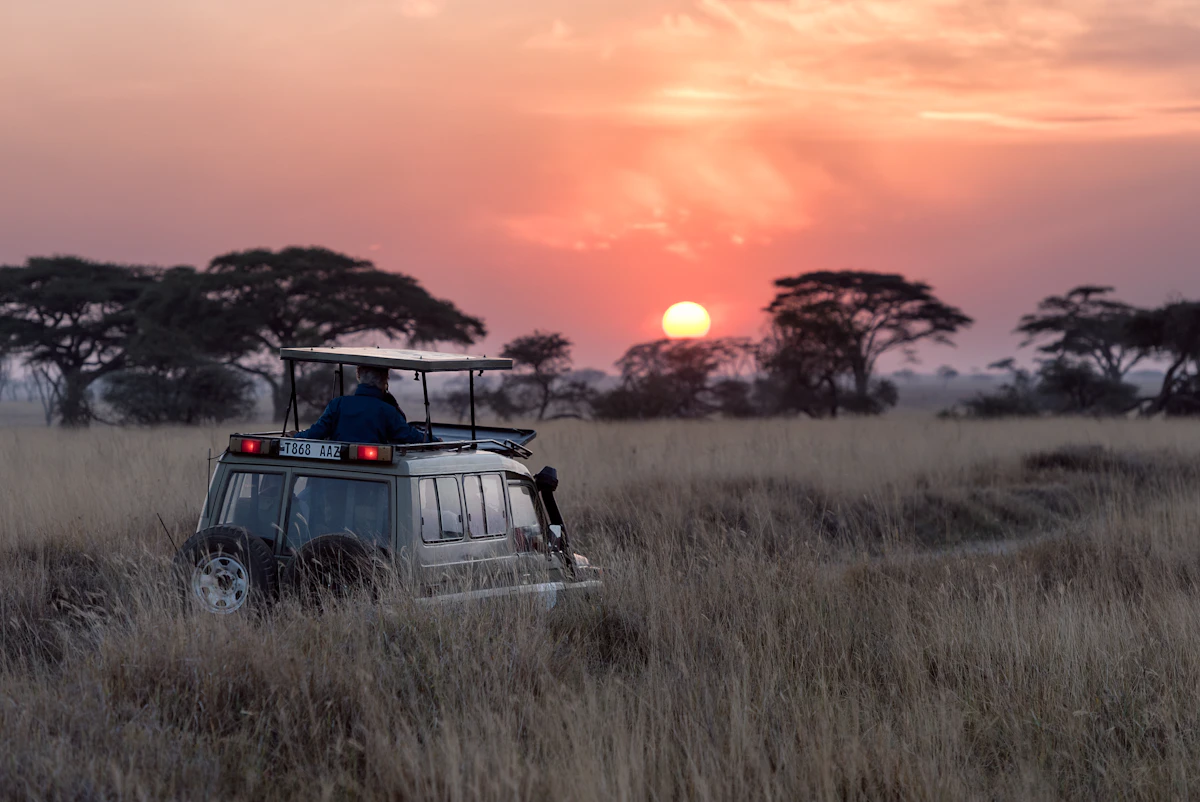
The vast wilderness of the Northern Serengeti, where the Mara River carves through the landscape.
Eastern Serengeti & Lobo Area — The Quiet Side
The Eastern Serengeti, including the Lobo Valley and areas around Klein's Camp, sees far fewer visitors than the central or northern zones. This region comes alive from November through December when the short rains trigger fresh grass growth and the migration herds pass through on their southward journey. The Lobo area is characterised by rugged hills, dense woodlands, and a wild, untamed feel that seasoned safari-goers adore.
For travellers seeking solitude and exclusivity, the Eastern Serengeti delivers. Game drives here feel genuinely exploratory, and the resident predator population — including some of the park's largest lion prides — is impressive. The area is also a stronghold for the Serengeti's elephant population, with large herds frequently encountered.
When to Visit Each Zone
Timing is everything in the Serengeti. Use the table below to match your travel dates with the best zone for wildlife viewing, keeping in mind that exact herd movements depend on rainfall patterns, which can vary from year to year.
| Zone | Best Months | Wildlife Highlight | Why Go |
|---|---|---|---|
| Southern Serengeti & Ndutu | Jan – Mar | Calving season, high predator action | Unmatched predator-prey drama |
| Central / Seronera Valley | Year-Round | Leopards, lions, resident game | Reliable sightings any time |
| Western Corridor & Grumeti | Jun – Jul | First river crossings, giant crocs | Fewer vehicles, dramatic crossings |
| Northern Serengeti | Aug – Oct | Mara River crossings | The ultimate migration spectacle |
| Eastern Serengeti & Lobo | Nov – Dec | Returning herds, resident predators | Solitude and exclusive game viewing |
Best Safari Experiences in the Serengeti
Classic Game Drives
The backbone of any Serengeti safari, game drives offer daily opportunities to encounter Africa's iconic wildlife. Our expert guides track predator movements, interpret tracks and signs, and position you for the best sightings. Morning drives begin at dawn when predators are most active; afternoon drives extend into golden hour for spectacular light.
Hot Air Balloon Safaris
There is no more breathtaking way to appreciate the Serengeti's scale than from the basket of a hot air balloon at sunrise. Drifting silently over the plains as the African dawn paints the landscape in shades of gold and amber is a bucket-list experience. Balloon safaris typically launch from the Seronera and northern Serengeti areas, followed by a champagne bush breakfast on the savannah.
Walking Safaris
While walking safaris are restricted within the national park itself, the private concessions and conservancies bordering the Serengeti — such as Grumeti Reserves, Singita's concessions, and the Ikoma area — offer guided walking experiences. Accompanied by an armed ranger and a Maasai naturalist, you will learn to read the bush at ground level: identifying tracks, understanding plant uses, and appreciating the small wonders that game drives miss.
Night Drives in Private Concessions
Night driving is prohibited inside Serengeti National Park, but private concessions on the park's boundary offer this exclusive privilege. With a spotlight guided by your ranger, you may encounter nocturnal species seldom seen on day drives: leopard on the hunt, genet cats, springhares, and the elusive pangolin. The Grumeti Reserves and Singita Sasakwa area are renowned for superb night-drive experiences.
Serengeti vs Ngorongoro Crater: How to Combine Both
No Tanzania safari is complete without understanding how the Serengeti and Ngorongoro Crater complement one another. The Ngorongoro Crater is a collapsed volcanic caldera spanning roughly 260 square kilometres, forming a natural enclosure that concentrates wildlife into an astonishingly dense and accessible area. It is arguably the best place in East Africa to see the Big Five in a single day.
While the Serengeti offers vastness, variety, and the migration's dynamic movement, Ngorongoro provides intensity and density. A well-planned itinerary includes both: three to four days in the Serengeti for the migration and predator action, plus one to two days in Ngorongoro for its extraordinary concentration of wildlife including the rare black rhino. The two destinations are just a few hours' drive apart, making them a natural pairing.
For the ultimate Tanzania safari, we recommend combining the Serengeti's scale with Ngorongoro's intensity, then adding Tarangire National Park known for its elephant herds and baobab landscapes for a complete northern Tanzania circuit experience.
Getting to the Serengeti
Most international visitors fly into Kilimanjaro International Airport (JRO) or Julius Nyerere International Airport (DAR) in Dar es Salaam. Arusha is the primary safari gateway town, connected to Kilimanjaro Airport by a one-hour scenic drive.
From Arusha, internal flights operated by carriers such as Coastal Aviation, Auric Air, and Safari Airlink connect to a network of Serengeti airstrips. The main airstrips include Seronera (central), Kogatende (north), Lobo (east), Grumeti (west), and Ndutu (south). Flight time is approximately 1 to 2 hours depending on your destination zone within the park.
For those who prefer driving, the journey from Arusha to the Serengeti's Naabi Hill Gate takes roughly 5 to 6 hours, passing through the Ngorongoro Conservation Area — a scenic route that includes a stop at the crater rim viewpoint. A combination of a fly-in safari with a road transfer offers the best balance of convenience and experience.