

It is the most common question we hear from first-time safari planners: Kenya or Tanzania? Both countries boast world-class wildlife, iconic landscapes, and legendary safari experiences. But despite sharing the same Mara-Serengeti ecosystem, these two East African giants offer surprisingly different experiences on the ground.
Kenya gave birth to the modern safari tradition, with its efficient infrastructure, compact circuit, and legendary destinations like the Masai Mara and Amboseli. Tanzania, by contrast, offers vast untouched wilderness, the extraordinary Ngorongoro Crater, and a slower, more remote safari rhythm. Neither is "better" — but one will almost certainly suit your travel style more than the other.
In this comprehensive guide, our lead guide Joseph Lemasi breaks down every factor you need to consider — from wildlife concentrations and park accessibility to costs, crowd levels, and beach extensions — so you can make the right choice with confidence.
Kenya vs Tanzania: Side by Side Comparison
Before diving into the details, here is a quick-reference comparison of how these two safari powerhouses stack up across the most important factors:
| Aspect | Kenya | Tanzania |
|---|---|---|
| Landscape & Scenery | Incredible diversity — savannahs, rift valley, snow-capped Kilimanjaro views from Amboseli, Great Lakes, desert in the north | Vast, wild, and dramatic — endless Serengeti plains, Ngorongoro Crater, Lake Manyara's tree-climbing lions, Tarangire's baobabs |
| Wildlife Concentrations | Excellent year-round; Masai Mara has some of Africa's highest predator densities; Amboseli for elephants; Lake Nakuru for flamingos | Extraordinary concentrations in Ngorongoro and Serengeti; arguably higher overall density during dry season; excellent for big cats |
| Great Migration Experience | Best for dramatic Mara River crossings (Jul-Oct); herds visible on Kenyan side from late July through October | Year-round migration viewing; calving season in Ndutu (Jan-Mar); Grumeti crossings (Jun-Jul); northern Serengeti before Mara |
| Park Accessibility | Excellent roads and short driving distances; most parks 3–5 hours from Nairobi; easy to combine multiple parks | Greater distances between parks; requires more driving or internal flights; Serengeti alone is the size of Northern Ireland |
| Accommodation Options | Wide range from budget camps to ultra-luxury lodges; strong conservancy model with exclusive-use private camps | Diverse offering including classic tented camps, mobile migration camps, and high-end lodges; more limited in remote areas |
| Costs | Generally more affordable for mid-range safaris; park fees are lower; competitive tourism market keeps prices reasonable | Higher park fees (Serengeti and Ngorongoro); longer drives increase fuel costs; overall tends to be 15–25% more expensive |
| Crowd Levels | Higher vehicle density in Masai Mara (especially Jul-Oct); Mara conservancies offer private, vehicle-free experiences | Less crowded overall due to vast park sizes; remote areas feel genuinely wild; Serengeti handles crowds better than Mara |
| Best For | First-time safari visitors, scenic diversity lovers, shorter itineraries (4–7 days), beach extensions to Diani/Watamu | Repeat safari goers, wilderness purists, longer itineraries (7–14 days), walking safaris, Zanzibar beach extensions |
Kenya Safari Highlights
Kenya is the birthplace of safari tourism, and its compact size makes it one of the most accessible safari destinations in Africa. Here are the country's standout parks and regions:
Masai Mara National Reserve
The crown jewel of Kenyan safaris. The Mara is famous for its open grasslands, high predator densities, and the spectacular Mara River crossings of the Great Migration between July and October. Beyond the reserve, private conservancies like Mara North, Olare Motorogi, and Naboisho offer exclusive game-viewing with far fewer vehicles.
Amboseli National Park
Home to some of Africa's largest elephant herds, Amboseli offers an iconic setting with Mount Kilimanjaro as a backdrop. The park is famous for its "Elephant Research Camp" and the best views of Kilimanjaro — especially at sunrise and sunset.
Lake Nakuru National Park
A birdwatcher's paradise, Lake Nakuru is famous for its flamingo populations and serves as a vital rhino sanctuary. The lake's alkaline waters attract thousands of lesser and greater flamingos, creating a surreal pink shoreline.
Samburu National Reserve
Offering a completely different landscape from the southern parks, Samburu is semi-arid terrain along the Ewaso Nyiro River. Here you will find species uncommon elsewhere in Kenya: Grevy's zebra, reticulated giraffe, Somali ostrich, and the beisa oryx.
Tsavo National Park
One of the largest wildlife reserves in the world, Tsavo is split into Tsavo East and Tsavo West. Famous for its red-elephant population, lava flows, and the man-eating lions of Tsavo, this park offers raw, untamed wilderness on a colossal scale.
Diani Beach
Kenya's premier beach destination. White sand, turquoise waters, and coral reefs make Diani the perfect post-safari relaxation spot. It pairs seamlessly with any Kenya safari circuit.
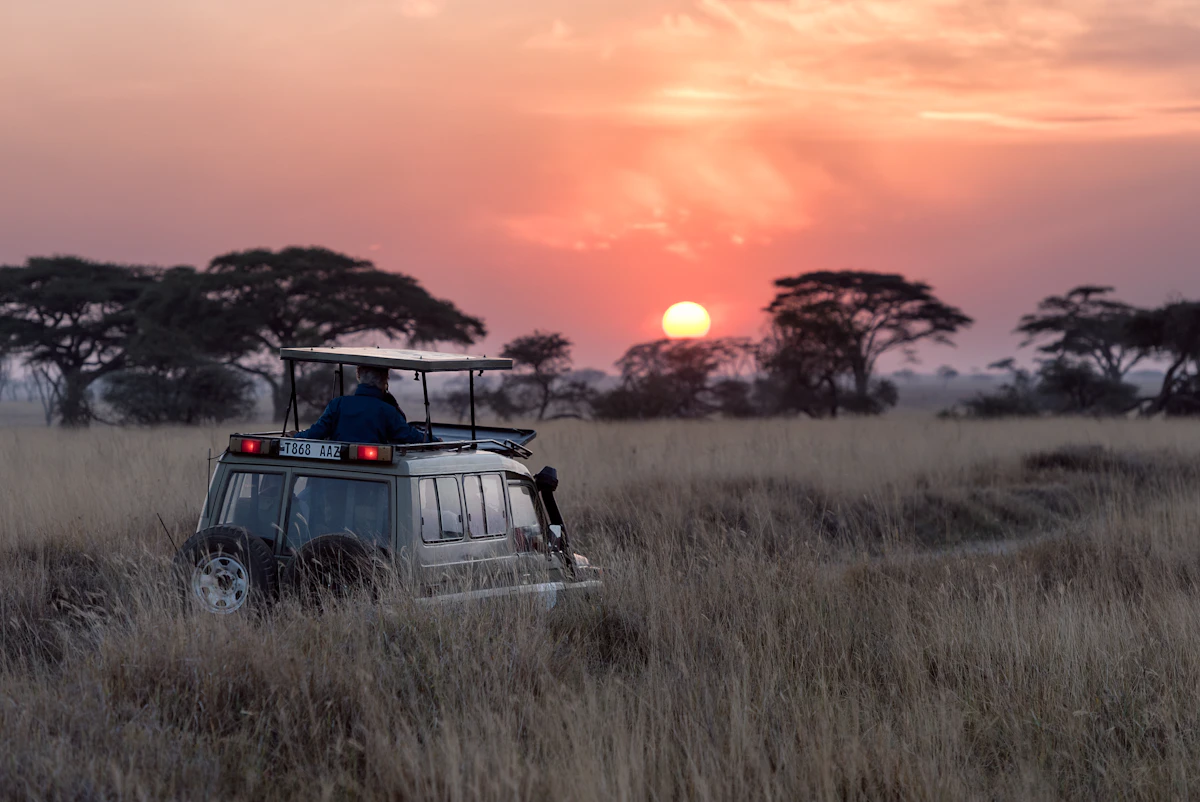
The Masai Mara's golden savannahs offer some of the most iconic safari scenery in Africa.
Tanzania Safari Highlights
Tanzania is Africa's largest country by area, and its safari circuit is defined by vast, wild landscapes and a slower travel pace. Here are the essential destinations:
Serengeti National Park
One of the most famous wildlife sanctuaries on Earth. The Serengeti covers nearly 15,000 square kilometres and is divided into distinct regions: the southern plains (calving season), central Seronera Valley, western corridor (Grumeti crossings), and the remote northern Serengeti. It is the primary stage for the Great Migration.
Ngorongoro Crater
A UNESCO World Heritage Site and one of Africa's most extraordinary natural wonders. This massive volcanic caldera hosts an estimated 25,000 large mammals, including the densest lion population in Africa. The crater floor offers guaranteed sightings of the Big Five in a setting that feels like a lost world.
Tarangire National Park
A hidden gem, especially during the dry season (June to October) when the Tarangire River draws huge elephant herds and baobab-studded landscapes come alive. It offers a quieter, more intimate safari experience than the Serengeti.
Lake Manyara National Park
Famous for its tree-climbing lions and vast flamingo-covered lake, Manyara is a compact but rewarding park. The groundwater forest, open savannah, and lake shore provide excellent birdwatching and game-viewing in a scenic setting.
Zanzibar
Tanzania's crown jewel beach destination. The archipelago of Zanzibar offers pristine white-sand beaches, turquoise waters, historic Stone Town, and vibrant Swahili culture. It is the perfect beach extension for any Tanzania safari.
Who Should Choose Kenya?
Kenya is an ideal choice if you value scenic diversity, shorter driving distances, and a more established tourism infrastructure. The country packs an incredible range of landscapes — from snow-capped mountains and Great Lakes to savannah and pristine coastline — into a relatively compact area. This means you can experience multiple ecosystems in a single week without spending days in transit.
Kenya is also the best choice for witnessing the Great Migration's Mara River crossings, arguably the most dramatic wildlife spectacle on the planet. Between July and October, the herds gather on the Kenyan side of the Mara River, and the private conservancies offer exclusive access with limited vehicle numbers.
For first-time safari visitors, Kenya's well-established safari circuit, range of accommodation, and shorter drives between parks make it a less intimidating and more rewarding introduction to African wildlife. And after your safari, the Indian Ocean beaches of Diani, Watamu, and the Lamu archipelago provide world-class relaxation options.
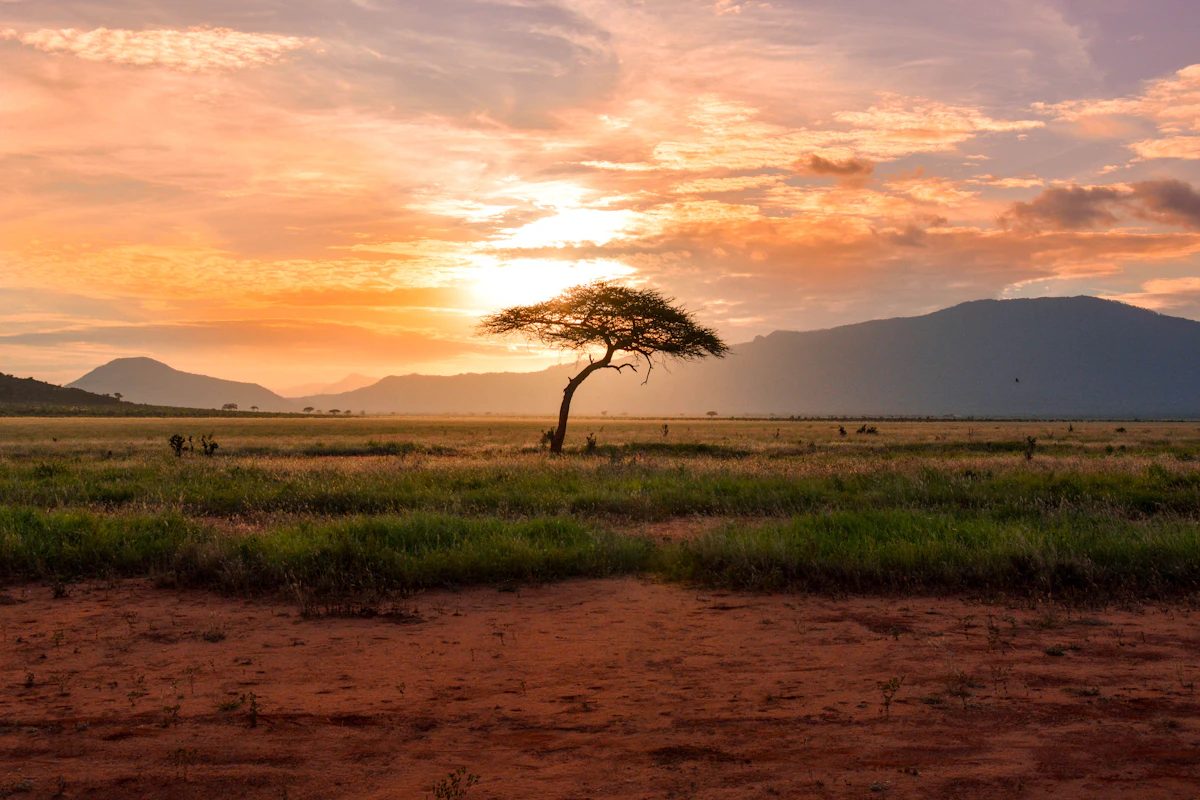
Amboseli National Park offers stunning views of Mount Kilimanjaro alongside its famous elephant herds.
Who Should Choose Tanzania?
Tanzania is the right choice if you crave vast, untouched wilderness and a more immersive safari experience. The sheer scale of Tanzania's parks — the Serengeti alone is larger than several European countries — means you will feel genuinely small and remote, away from the crowds and infrastructure of more touristed areas.
The Ngorongoro Crater is a major differentiator. Nowhere else on Earth can you find such a dense concentration of wildlife in a contained, breathtakingly beautiful caldera. It is a non-negotiable highlight for many safari-goers and something Kenya simply cannot match.
Tanzania is also the superior choice for walking safaris. The country permits guided walking in several parks, allowing you to experience the bush on foot. Combined with the opportunity to visit a Maasai boma, spend a night under canvas in a mobile camp, and finish with several days on Zanzibar, Tanzania offers a deeper, more layered adventure.
Can You Do Both? Combining Kenya and Tanzania
The good news is that you absolutely can combine both countries into a single trip, and it is easier than you might think. Many of our signature itineraries include parks on both sides of the border, giving you the best of both worlds.
The most popular combination is a Masai Mara + Northern Serengeti itinerary, especially during the migration season (July to October). You can fly from Nairobi to the Mara, spend several days tracking river crossings, then drive or fly across the border to the Serengeti to follow the herds or explore the Ngorongoro Crater.
Another excellent option is to combine Amboseli (for Kilimanjaro views and elephants) with Tarangire and Ngorongoro in Tanzania. Border crossings are straightforward at Namanga or Isebania, and our logistics team handles all cross-border arrangements.
For a longer trip (12–14 days), you can design a comprehensive Kenya-Tanzania itinerary that covers the Mara, Amboseli, Serengeti, Ngorongoro, and finishes with beach time on Zanzibar or Diani. This is the ultimate East African safari experience.
Frequently Asked Questions
Quick answers to the most common questions about choosing between a Kenya and Tanzania safari.
Both offer world-class wildlife viewing. Kenya's Masai Mara has higher predator densities (especially lions and cheetahs), while Tanzania's Ngorongoro Crater offers the most concentrated Big Five experience on Earth. For sheer variety and volume of animals, Tanzania's Serengeti ecosystem edges ahead, but Kenya's parks deliver incredible sightings in a more compact, accessible area.
Kenya is generally the more budget-friendly option. Park fees are lower, the tourism market is more competitive, and shorter driving distances reduce transport costs. Tanzania tends to be 15–25% more expensive overall, primarily due to higher conservation fees in the Serengeti and Ngorongoro Crater, plus the greater distances between parks.
It depends on when you visit and what you want to see. Kenya is best for the dramatic Mara River crossings (July to October). Tanzania offers year-round migration viewing, including the spectacular calving season in Ndutu (January to March) and the Grumeti River crossings (June to July). For the full migration experience, a dual-country itinerary is unbeatable.
Absolutely. Combining both countries in a single safari is straightforward with road crossings at Namanga or Isebania, or internal flights between parks. A 10–14 day itinerary can easily cover the Masai Mara, Serengeti, Ngorongoro Crater, and even add a beach extension. We handle all cross-border logistics so you can focus on the experience.
Both Kenya and Tanzania are very safe for tourists on organised safaris. Wildlife areas are well-patrolled, tourist infrastructure is secure, and guides are highly professional. In cities, standard urban precautions apply. Both countries have stable governments and robust tourism industries that prioritise visitor safety above all else.
Both offer excellent beach options. Kenya's coast features Diani Beach, Watamu, and the historic Lamu archipelago — all with white sand, coral reefs, and Swahili culture. Tanzania's Zanzibar is arguably more famous, with pristine beaches, world-class resorts, and the fascinating Stone Town. Either choice provides a perfect post-safari relaxation experience.