

The term "Big Five" was originally coined by big-game hunters in the 19th century to describe the five most dangerous animals to hunt on foot: the lion, leopard, African elephant, rhinoceros, and Cape buffalo. Today, the term has been reclaimed by conservationists and safari guides as the ultimate checklist for wildlife enthusiasts. But these five species are far more than a tick-box exercise — each one represents a pinnacle of evolutionary adaptation and an essential pillar of Africa's ecosystems.
Over two decades of guiding across Kenya and Tanzania, I have had the privilege of observing every one of these magnificent species in their natural habitats, often on the same day. Understanding where they live, how they behave, and when to find them is the difference between a good safari and a life-changing one. In this guide, I will share the intel that only comes from thousands of hours spent tracking these animals through the bush.
The Lion: Panthera leo — The King of Beasts
The lion is the only truly social cat, living in prides that typically consist of related females, their cubs, and a coalition of two to three males. This social structure is the key to their success as apex predators. Lionesses do the vast majority of the hunting, working in synchronised teams to single out vulnerable prey from a herd. A single lioness can take down an animal as large as a buffalo, but teamwork allows them to target giraffes and even young elephants in some regions.
The best places to see lions in East Africa are the Masai Mara in Kenya and the Serengeti in Tanzania, particularly during the migration when prey is abundant. The Ngorongoro Crater boasts one of the highest densities of lions in Africa, while Tarangire National Park is famed for its large tree-climbing lion prides. Lions are most active during the cooler hours of dawn and dusk, so an early morning game drive starting at 6:00 AM is almost always rewarded.
A magnificent male lion surveys his territory in the Masai Mara, the golden light of dawn illuminating his mane.
The Leopard: Panthera pardus — The Ghost of the Bush
If the lion is the undisputed king, the leopard is the elusive emperor of shadows. Solitary, silent, and supremely adaptable, leopards are the most widely distributed of the Big Five, found from the Cape to the Somali coast. Their incredible camouflage — a coat of dark rosettes against a golden background — makes them nearly invisible in dappled light, which is why many seasoned guides can count leopard sightings on two hands after years in the bush.
For the best leopard sightings, head to the Masai Mara's private conservancies, where vehicle numbers are restricted and leopards are less pressured. The Seronera Valley in the Central Serengeti also offers excellent leopard density, particularly along the Seronera River where the predators ambush prey coming to drink. Leopards are masters of vertical escape — they drag kills up into trees to protect them from hyenas and lions, so always scan the branches of large acacia and sausage trees.
The African Elephant: Loxodonta africana — The Gentle Giant
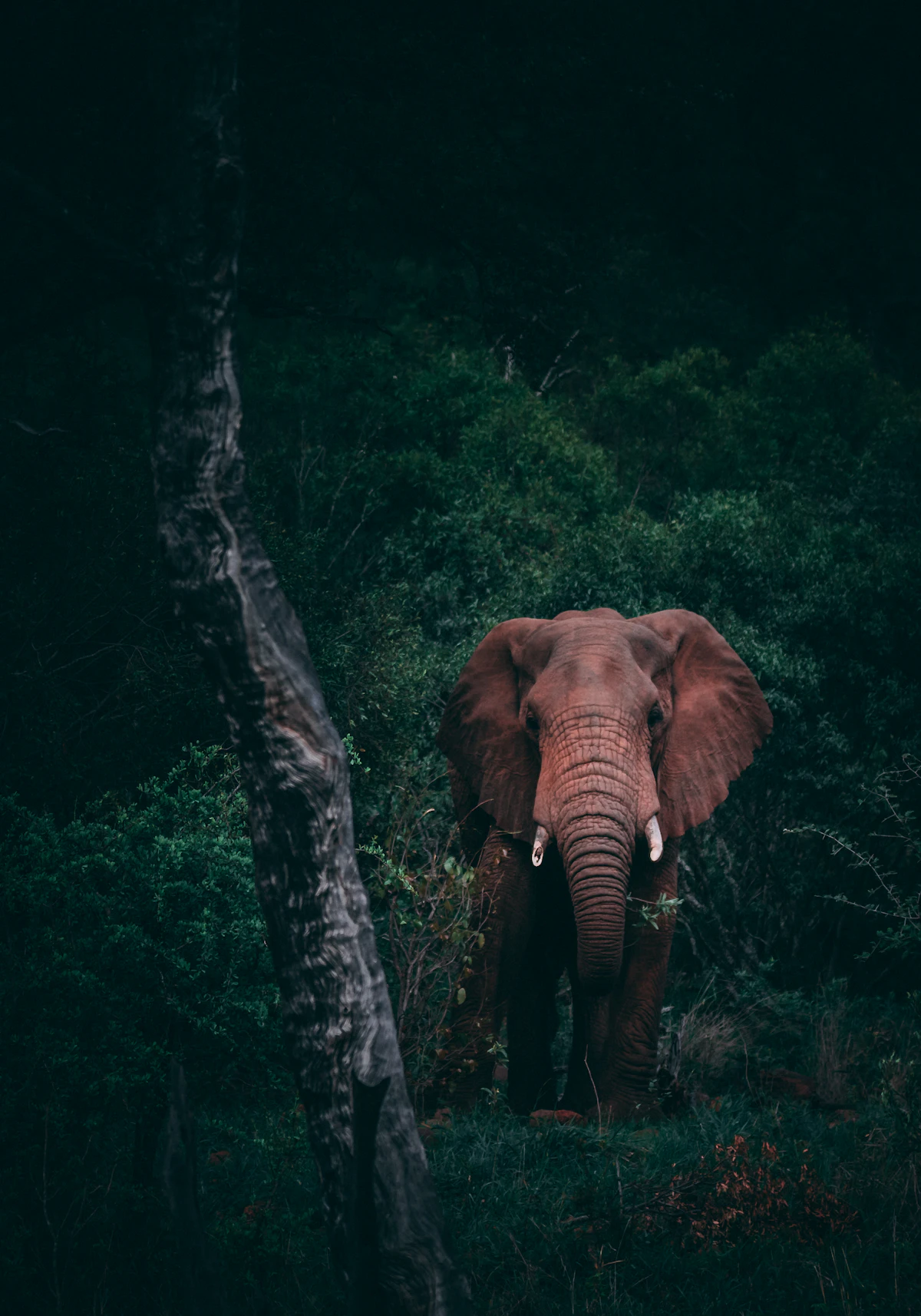
The African savannah elephant is the largest land animal on Earth, with bulls reaching up to 6,000 kilograms. But it is not their size that leaves the deepest impression — it is their emotional intelligence. Elephants grieve their dead, recognise individual humans after decades, communicate across vast distances using infrasound, and exhibit what can only be described as empathy. Watching a herd of elephants interact is like observing a multigenerational family reunion, complete with discipline, humour, and tenderness.
Amboseli National Park in Kenya, sitting in the shadow of Mount Kilimanjaro, offers the most iconic elephant viewing in Africa. The elephants here have been studied by Dr. Cynthia Moss's Amboseli Trust for Elephants since 1972, and many individuals are known by name. Tarangire National Park in Tanzania also hosts massive herds of up to 300 elephants, particularly during the dry season when they congregate along the Tarangire River.

A matriarch-led elephant herd crosses the open plains of Amboseli with Mount Kilimanjaro rising majestically in the background.
The Rhino: Ceratotherium simum & Diceros bicornis — Conservation's Greatest Challenge
The rhino is the most critically endangered member of the Big Five. The white rhino (actually grey) is a grazer with a wide, square mouth designed for cropping grass, while the black rhino is a browser with a hooked lip adapted for stripping leaves from bushes. Both species have been decimated by poaching driven by demand for rhino horn in East Asian markets, where it is falsely believed to have medicinal properties.
East Africa remains one of the best places to see rhinos in a natural setting. Kenya's Ol Pejeta Conservancy, Lake Nakuru National Park, and Nairobi National Park all offer reliable black and white rhino sightings. In Tanzania, the Ngorongoro Crater is home to a healthy population of black rhinos that can often be spotted grazing on the crater floor. Rhino conservation is a high-security operation — rangers in these parks carry firearms and rhinos are dehorned in some areas as a deterrent.
The Cape Buffalo: Syncerus caffer — The Black Death
Experienced guides will tell you that the Cape buffalo is the most dangerous of the Big Five. Known as the "Black Death" or "widowmaker," buffaloes are unpredictable, highly protective of their herd, and possess a memory for perceived threats. They are responsible for more hunter fatalities than any other species in Africa, but for the safari traveller, they are magnificent animals to observe. A herd of buffalo moving through the bush is a display of coordinated group defence — calves are placed in the centre, with bulls forming the outer perimeter.
Buffalo are ubiquitous across East Africa's parks. The largest herds are found in the Serengeti, Tarangire, and Lake Manyara National Park. In the Mara, the marsh-dwelling buffalo of the Musiara area are known for their size and their willingness to take on entire lion prides. Old buffalo bulls, expelled from the herd, often form small bachelor groups and are the most dangerous — they have nothing left to lose.
Best Months to See the Big Five
While the Big Five can be seen year-round in most major parks, certain months offer superior viewing conditions. The dry season concentrates wildlife around water sources, making sightings more predictable.
| Species | Best Location | Peak Viewing Season | Ranger Tip |
|---|---|---|---|
| Lion | Masai Mara / Serengeti | Jun – Oct (dry season, migration follows) | Look for vultures circling — they pinpoint kills before the lions are visible. |
| Leopard | Mara Conservancies / Seronera | Jul – Sep (dry, vegetation sparse) | Scan sausage trees and kopjes at dusk. Patience is everything. |
| Elephant | Amboseli / Tarangire | Jun – Oct (dry season, herds visible at water sources) | Amboseli is reliable year-round, but dry season offers unobstructed views. |
| Rhino | Ol Pejeta / Ngorongoro | Year-round (resident populations) | Book a guided walking safari at Ol Pejeta for up-close tracking. |
| Buffalo | Serengeti / Lake Manyara | Year-round (resident populations) | Stay upwind — buffalo are highly sensitive to scent and sound. |
Frequently Asked Questions
Quick answers to the most common questions about Africa's Big Five.
The term originated with big-game hunters who ranked these five species as the most dangerous to hunt on foot. Today it is used in safari tourism to denote Africa's most iconic large mammals. The Big Five are not the largest five animals — hippos and crocodiles are excluded from the list.
Yes, but it requires luck and expert guiding. The Ngorongoro Crater in Tanzania and the Masai Mara's private conservancies offer the highest probability of a single-day Big Five clean sweep. However, we advise focusing on quality sightings rather than rushing to tick species off a list.
The leopard is consistently the most challenging, thanks to its solitary, nocturnal, and cryptic nature. The rhino is also difficult in many parks due to low population numbers. We recommend allocating extra days in areas with known leopard or rhino populations.
The Serengeti National Park and Masai Mara ecosystem offer consistently excellent Big Five sightings. For a compact option, the Ngorongoro Crater is outstanding. In Kenya, Ol Pejeta Conservancy is the only place where you can reliably see all Big Five, including both black and white rhinos.
Ethical safaris prioritise the well-being of animals. Choose operators who respect park rules, do not bush-drive or crowd sightings, and contribute to conservation. Avoid venues that offer walking with captive lions or canned hunting. Kudu Untamed Safaris adheres to strict ethical wildlife viewing protocols.
A DSLR or mirrorless camera with a 200-400mm zoom lens is ideal. A 1.4x teleconverter adds reach without significant quality loss. For leopard photography in dense bush, an f/2.8 aperture lens is invaluable. Don't forget a beanbag or window mount for sharp images from the vehicle.
Chase the Big Five on Safari
Let our expert guides take you to the very best Big Five territories across East Africa for an unforgettable wildlife encounter.
Book Your Big Five Safari