

Tanzania is the archetypal African safari destination — the very name conjures images of golden savannah stretching to the horizon, thousands of wildebeest thundering across rivers, and the spectacular cone of Kilimanjaro rising above the clouds. It is a country of superlatives, home to the largest intact ecosystem on earth, the highest mountain in Africa, the seventh-largest lake, and one of the world's most remarkable volcanic craters.
For safari enthusiasts, Tanzania offers something that no other African country can match: the Great Migration. The annual movement of 1.5 million wildebeest, 400,000 zebra, and 300,000 gazelle across the Serengeti-Mara ecosystem is the world's most spectacular wildlife event. But Tanzania is far more than just the Serengeti. The Ngorongoro Crater, Selous Game Reserve, Ruaha National Park, and the beaches of Zanzibar combine to make this the most complete safari destination on the continent.
Northern Circuit
Tanzania's Northern Circuit is the most popular safari route in East Africa, and for good reason. The circuit encompasses Lake Manyara, Tarangire National Park, the Ngorongoro Crater, and the Serengeti National Park — each offering a dramatically different landscape and wildlife experience. Tarangire is famous for its massive baobab trees and elephant herds that can number over 300 individuals during the dry season. Lake Manyara offers tree-climbing lions and vast flocks of pink flamingos along the lake shore.
The Ngorongoro Crater is often described as a natural wonder of the world — a vast, unbroken caldera that shelter over 25,000 large animals including the entire Big Five. The crater floor is a self-contained ecosystem where the volcanic soil supports lush grazing all year round, making game viewing consistently excellent regardless of season. Only 4WD vehicles are permitted on the crater floor, and the steep descent is an adventure in itself. Staying on the crater rim offers views that are nothing short of breathtaking.
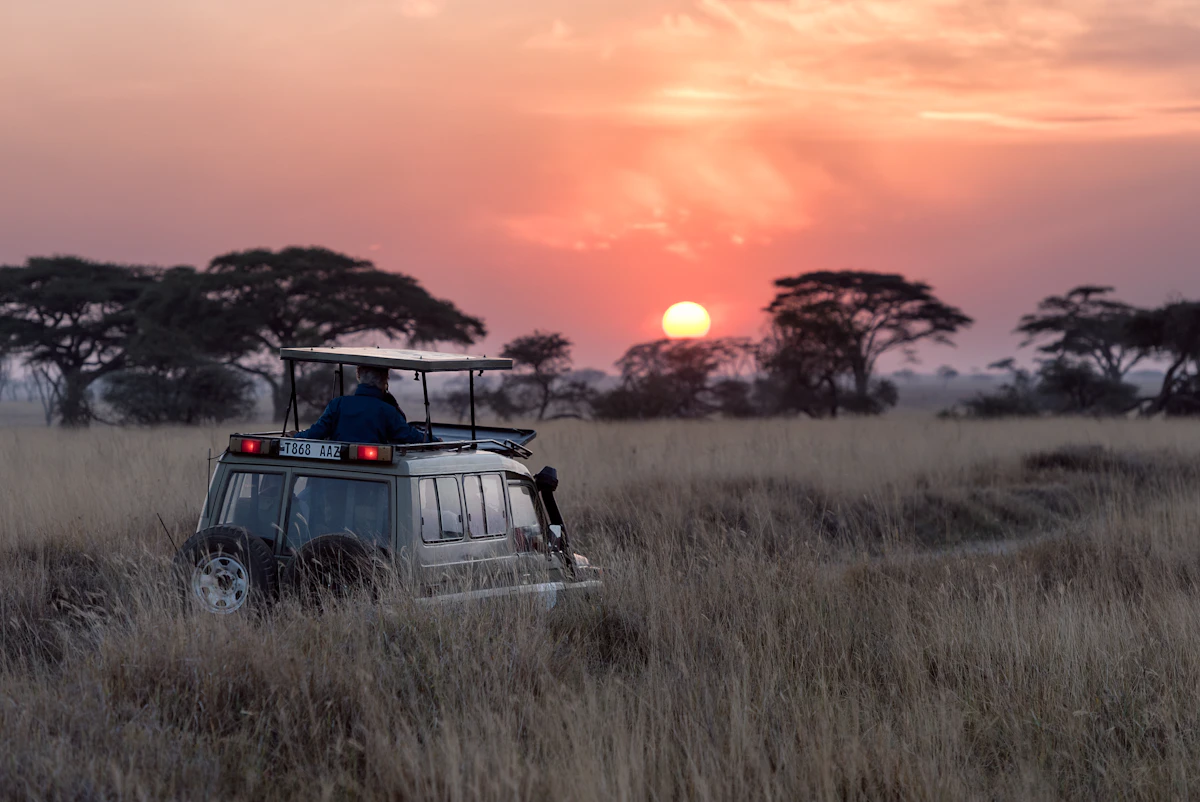
The endless plains of the Serengeti — the stage for the greatest wildlife migration on earth and Tanzania's most iconic safari destination.
Tanzania Month-by-Month Guide
| Period | Destination Focus | Conditions | Guide Recommendation |
|---|---|---|---|
| Jan – Mar | Serengeti (South), Ngorongoro | Calving Season: January to March sees wildebeest calving in southern Serengeti. High predator activity. Warm and dry. | Best for cheetah and lion action. Book Ndutu area camps. Combine with Ngorongoro for guaranteed Big Five. |
| Apr – May | Selous, Ruaha, Ngorongoro | Long Rains: Green season in northern parks. Some camps close (esp. mobile camps). Excellent for southern parks. | Best time for Ruaha and Selous. These parks are spectacular in the green season. Lower rates everywhere. |
| Jun – Oct | Serengeti (Central & North), Zanzibar | Peak Season: Migration herds move north. River crossings from July. Dry and sunny across all parks. | Book Serengeti camps 12 months ahead for river crossing season. Excellent for combining safari with Zanzibar beaches. |
| Nov – Dec | Serengeti (East), Lake Manyara | Short Rains: Brief afternoon showers. Parks are lush and less crowded. Migration herds move south. | Great for photography with dramatic skies. Fewer tourists. Excellent time for Tarangire National Park. |
Southern Parks
While the Northern Circuit receives the lion's share of visitors, Tanzania's southern parks offer a wilder, more remote safari experience. Selous Game Reserve (now part of Nyerere National Park) is one of the largest protected areas in Africa, covering over 54,000 square kilometres. The Rufiji River system creates a waterways ecosystem that supports large populations of elephant, hippo, and crocodile. Boat safaris on the Rufiji offer a unique perspective that few other parks can match.
Ruaha National Park is Tanzania's best-kept secret — a vast wilderness with fewer visitors in a year than the Serengeti receives in a week. The park's landscape of baobab-studded hills and dry riverine woodland is home to the largest elephant population of any East African park, as well as significant populations of wild dog, lion, and leopard. Ruaha is also a premier birding destination with over 570 species recorded. The best time to visit is during the dry season (May to October) when animals concentrate along the Great Ruaha River.
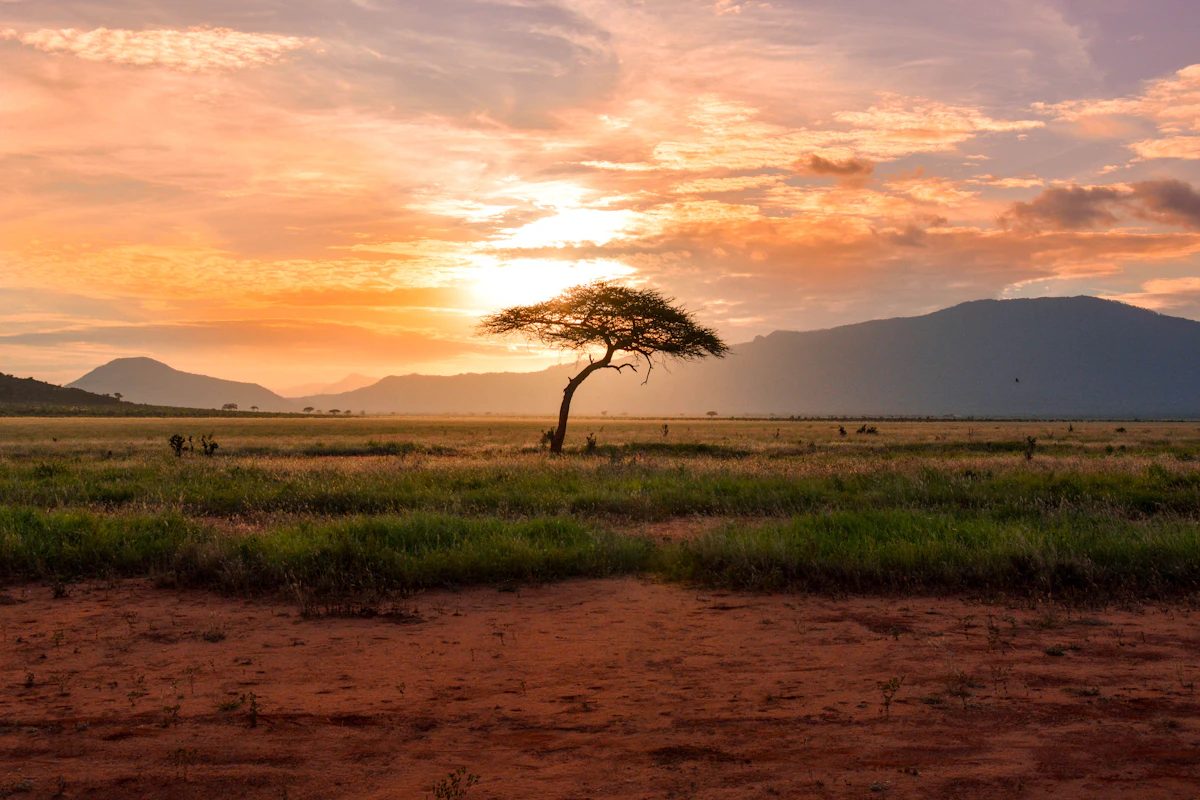
Elephants along the Rufiji River in Nyerere National Park — Tanzania's southern parks offer a wilderness experience that feels truly remote.
Zanzibar & Beaches
No Tanzania safari is complete without experiencing the Spice Island of Zanzibar. Located just 40 kilometres off the coast, Zanzibar is an archipelago of enchanting beaches, coral reefs, and Stone Town's labyrinthine alleys. After days spent in the dust and excitement of the bush, Zanzibar offers the perfect antidote: white sand beaches fringed by turquoise waters, lazy days on dhows, and seafood dinners under the stars. The best beaches are on the east and north coasts — Kendwa, Nungwi, Paje, and Matemwe.
Beyond Zanzibar, Tanzania's coastline offers other superb beach destinations. The Mafia Island Marine Park is one of East Africa's best-kept secrets for snorkelling and diving, particularly during the whale shark season between October and March. Pemba Island, north of Zanzibar, offers some of the most exclusive beach lodges in Africa, including the legendary Manta Resort with its underwater room. Combining a 7-day Northern Circuit safari with a 4-day Zanzibar beach stay is the ultimate Tanzania itinerary.
Cultural Encounters
Tanzania is home to more than 120 ethnic groups, and cultural tourism is an increasingly important part of the safari experience. The Maasai are the most internationally recognised, but the Chaga on the slopes of Kilimanjaro, the Hadzabe bushmen around Lake Eyasi, and the Swahili people of the coast each offer unique cultural perspectives. A visit to a Maasai boma, a Hadzabe hunting expedition, or a spice tour in Zanzibar enriches your safari with human connection.
The town of Arusha serves as the gateway to the Northern Circuit and is a vibrant melting pot of Tanzanian cultures. The Arusha Cultural Heritage Centre offers excellent crafts, art, and a museum documenting the country's diverse traditions. Further north, the Lake Eyasi region offers one of the most authentic cultural experiences in Africa — the opportunity to spend time with the Hadzabe, one of the last remaining hunter-gatherer communities on the continent. This is not a performative cultural show but a genuine glimpse into a way of life that has existed for tens of thousands of years.
Frequently Asked Questions
Quick answers to the most common questions about planning a Tanzania safari.
Year-round, depending on what you want to see. January–March: calving in southern Serengeti. July–October: river crossings in northern Serengeti. June and November are transitional periods with excellent game viewing and fewer crowds.
A minimum of 7–10 days for a Northern Circuit safari (Lake Manyara, Ngorongoro, Serengeti). Add 3–5 days for Zanzibar. For southern parks like Ruaha and Selous, add another 5–7 days. Two weeks is ideal for a comprehensive trip.
Yes! Many travellers combine a Kilimanjaro climb with a safari. Allow 6–8 days for the climb and 5–7 days for safari. The Marangu and Machame routes are most popular. Proper acclimatisation is essential for summit success.
Yes, Tanzania is very safe for solo travellers. National parks are well-patrolled, and all reputable operators maintain strict safety protocols. Solo travellers can join group departures or book private safaris with single supplements.
Most nationalities require a visa. E-visas are available online or visa on arrival at major airports. Single-entry tourist visas cost $50 USD. Citizens of some African Union countries are exempt. Check current requirements before travel.
Tanzania offers larger parks and fewer vehicles overall. The Serengeti is about 10 times larger than the Masai Mara. Tanzania also has Ngorongoro Crater, southern parks, Zanzibar, and Kilimanjaro. Kenya has more private conservancies and a more established luxury camp scene.