

Rwanda is a country that defies expectations. Known as the Land of a Thousand Hills, this small, landlocked nation in East Africa has transformed itself into one of the continent's most compelling safari destinations — a place where conservation meets community, where luxury meets authenticity, and where every journey feels deeply personal.
For most travellers, Rwanda means gorilla trekking — and for good reason. The mountain gorillas of Volcanoes National Park are one of the most extraordinary wildlife encounters on earth. But Rwanda offers so much more: the restored savannah of Akagera National Park, the ancient montane rainforest of Nyungwe, the peaceful shores of Lake Kivu, and a cultural warmth that lingers long after you leave. It is a country that rewards those who look beyond the headline attraction.
Gorilla Trekking
Gorilla trekking in Rwanda is widely regarded as the finest primate experience in Africa. Volcanoes National Park is home to twelve habituated gorilla families, each led by a dominant silverback. The trek itself can take anywhere from thirty minutes to five hours, winding through dense bamboo forest and volcanic slopes before you finally reach the family group. Then, in a moment that is almost impossible to describe, you find yourself sitting among a family of mountain gorillas — the great silverback watching you with ancient, intelligent eyes, juveniles tumbling through the undergrowth, mothers nursing infants.
Rwanda's gorilla permit system is among the most rigorously managed in the world. Only 96 permits are issued per day, each costing $1,500 (international visitors). This high cost directly funds conservation and community development — a model that has proven so successful that Rwanda's gorilla population has increased from an estimated 250 individuals in the 1980s to over 600 today. The trekking experience itself is carefully regulated: groups are limited to eight visitors per family, and the one-hour viewing window is strictly enforced to minimise stress on the gorillas.

A mountain gorilla in Volcanoes National Park — the encounter that defines Rwanda's place in the pantheon of great safari destinations.
Rwanda Month-by-Month Guide
| Period | Destination Focus | Conditions | Guide Recommendation |
|---|---|---|---|
| Jan – Feb | Volcanoes, Akagera, Nyungwe | Dry Season: Excellent trekking conditions. Clear trails, less mud. Peak gorilla trekking season. | Best for gorilla trekking. Book permits 6–9 months ahead. Combine with Akagera for savannah wildlife. |
| Mar – May | Volcanoes, Lake Kivu | Long Rains: Lush green hills, fewer tourists. Trails can be muddy. Lower permit availability. | Good for budget-conscious travellers. The landscape is at its most beautiful. Excellent for birding. |
| Jun – Sep | Volcanoes, Akagera, Nyungwe | Peak Dry Season: Prime trekking conditions. High demand for permits and accommodation. | Book well ahead. Gorilla permits sell out 3–4 months in advance. Best for combining all parks. |
| Oct – Dec | Nyungwe, Akagera, Volcanoes | Short Rains: Brief afternoon showers. Pleasant temperatures. Good availability. | Great for chimpanzee tracking in Nyungwe. Lush scenery and excellent photography conditions. |
Akagera National Park
Akagera is Rwanda's only savannah national park and one of Africa's most remarkable conservation success stories. Following the 1994 genocide, the park was severely degraded — poaching had decimated wildlife populations, and much of the land was occupied by illegal cattle grazing. In 2010, African Parks Network took over management in partnership with the Rwanda Development Board, and the transformation has been extraordinary. Today, Akagera is fully fenced, well-patrolled, and home to thriving populations of lion, elephant, buffalo, giraffe, zebra, and over a dozen species of antelope.
The park's landscape is defined by the meandering Akagera River, vast papyrus swamps, and rolling acacia woodland. A game drive here feels refreshingly uncrowded compared to East Africa's more famous parks. The recent reintroduction of lion (2015) and black rhino (2017) means Akagera now offers the full Big Five experience. The lakes in the north of the park are excellent for boat safaris, offering close encounters with hippos, crocodiles, and an astonishing diversity of waterbirds including the prehistoric-looking shoebill stork.
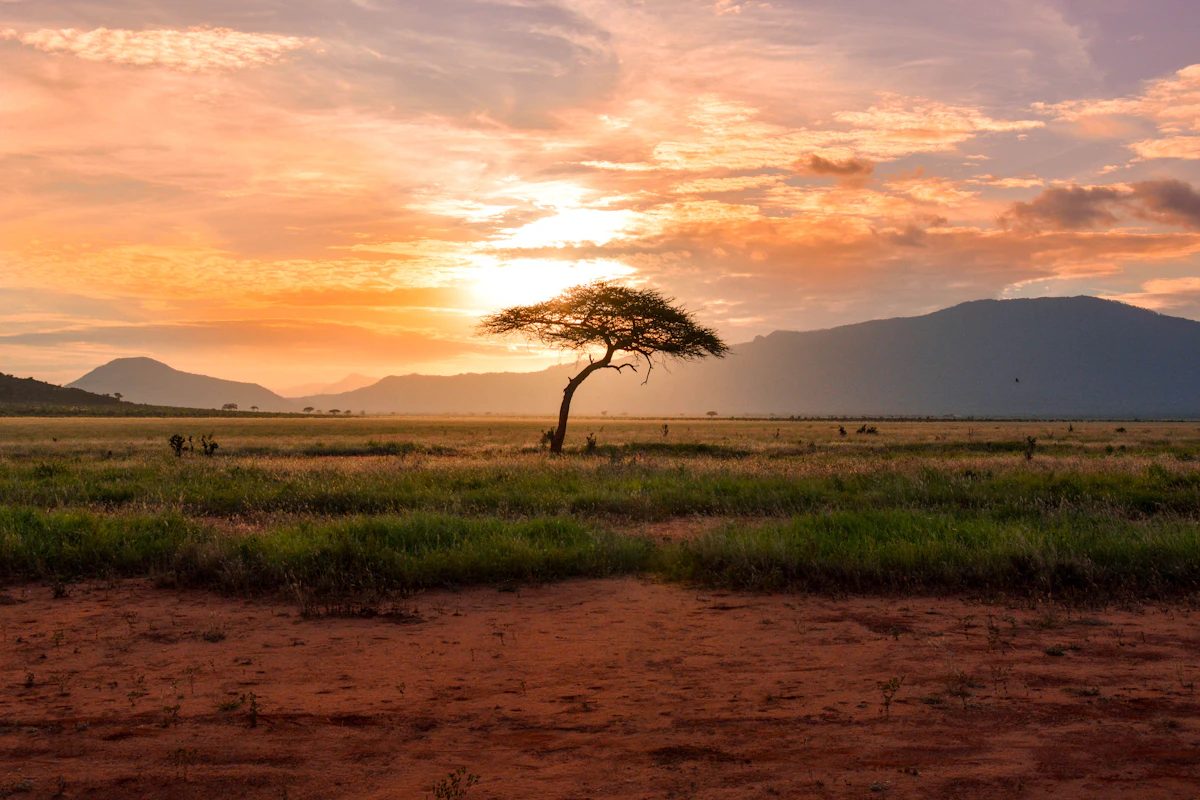
The sweeping savannah of Akagera National Park — a testament to Rwanda's extraordinary conservation commitment.
Nyungwe Forest National Park
Nyungwe is one of Africa's oldest and most pristine montane rainforests, a biodiversity hotspot that has survived multiple ice ages and remained continuously forested for millions of years. The park protects over 1,000 square kilometres of ancient forest, home to 13 species of primate including a significant population of chimpanzees, as well as more than 300 bird species — 30 of which are endemic to the Albertine Rift. The canopy walkway, suspended 60 metres above the forest floor, offers a breathtaking perspective on this extraordinary ecosystem.
Chimpanzee tracking in Nyungwe is a different experience from gorilla trekking. Chimpanzees are more mobile and less predictable, so the trek can involve several hours of hiking along steep, muddy trails before the trackers locate the troop. But the reward is watching these highly intelligent primates in their natural habitat — their complex social interactions, vocalisations, and occasional displays of aggression or affection offer a fascinating window into our own evolutionary past. Outside of primate tracking, Nyungwe's network of hiking trails ranges from short nature walks to multi-day treks through the forest.
The tea plantations that blanket the hillsides around Nyungwe are a cultural landscape as beautiful as the forest itself. Rwanda's tea is world-class, and visiting a plantation offers a glimpse into a vital part of the country's economy and rural life. The Gisakura Tea Estate, on the edge of the national park, offers guided tours of its factory followed by tastings of single-origin teas grown at altitudes above 2,000 metres.
Cultural Immersion
The Rwandan people are the country's greatest asset. The concept of ubumuntu — loosely translated as "humanness" or "compassion" — permeates daily life. Visitors are greeted with genuine warmth wherever they go. Kigali, the capital, is arguably Africa's cleanest and safest city, with a vibrant arts scene, excellent restaurants, and the deeply moving Kigali Genocide Memorial that offers an essential education in Rwanda's recent history and remarkable reconciliation journey.
Cultural experiences on a Rwandan safari can include visiting the Iby'Iwacu Cultural Village near Volcanoes National Park, where former poachers now earn a living performing traditional dances, demonstrating ancient crafts, and educating visitors about conservation. In the lake district around Lake Kivu, you can explore the vibrant communities living along the shores, take a kayak to the Napoleonic Island bat colony, or simply relax on the sandy beaches of the lake's northern shores. Rwanda's cultural tourism is not an afterthought — it is integral to the national identity and a highlight of any visit.
Frequently Asked Questions
Quick answers to the most common questions about planning a Rwanda safari.
Rwanda gorilla permits cost $1,500 per person for international visitors. The price includes park entry, guide services, and porters. Permits are valid for one hour with the gorillas and must be booked in advance through licensed tour operators.
A minimum of 5–7 days is recommended. A classic itinerary includes 3 nights for gorilla trekking, 2 nights in Akagera for savannah wildlife, and 1–2 nights at Lake Kivu. For chimps, add 2 nights in Nyungwe.
Rwanda is one of the safest countries in Africa. Kigali is exceptionally safe with low crime rates. National parks are well-patrolled by armed rangers. Every lodge maintains stringent security protocols for guest safety.
Yes! Rwanda is easily combined with Uganda (gorilla trekking, chimpanzees) and Kenya (savannah safaris). Direct flights connect Kigali with Nairobi, Entebbe, and Arusha. Cross-border itineraries are seamless.
The dry seasons (June to September and December to February) offer the best trekking conditions with less mud and clearer trails. However, gorilla trekking is possible year-round, and the rainy season offers lush scenery and discounts.
Most nationalities can obtain a visa on arrival for $50 USD or apply online for an e-visa. Citizens of African Union countries receive visa-free access. Rwanda also offers a 30-day tourist visa for East African residents.