

The term "Big Five" was originally coined by big-game hunters who ranked the African lion, leopard, elephant, rhinoceros, and Cape buffalo as the most dangerous animals to hunt on foot. Today, the Big Five represent the holy grail of wildlife photography and safari adventure — the five species every traveller dreams of seeing in the wild.
Spotting all five members of this iconic group in a single safari is a badge of honour for any wildlife enthusiast. But beyond the thrill of the tick-list lies a deeper story: each of these animals plays a critical ecological role, and many face serious conservation challenges. This comprehensive guide will take you deep into the world of each species, reveal the best parks for sightings, and share expert tips from our guiding team on the ground in East Africa.
Understanding the Big Five
Contrary to popular belief, the Big Five are not the five largest animals in Africa (giraffes, hippos, and crocodiles are larger than leopards and lions). The classification is rooted in the difficulty and danger of hunting these specific species. In modern times, the Big Five have been reborn as the ultimate photographic trophy — the animals every visitor hopes to capture with a camera lens rather than a rifle.
East Africa is arguably the best region on the continent for Big Five sightings. Kenya and Tanzania boast several national parks and private conservancies where all five species can be found together. The key to success lies in choosing the right parks, the right guides, and the right season.

The vast savannahs of East Africa are home to all five members of the Big Five, offering some of the best wildlife viewing on the planet.
The African Lion — King of the Savanna
The African lion (Panthera leo) is the world's second-largest big cat and the undisputed apex predator of the savanna. A fully grown male can weigh up to 225 kg and measure over 3 metres from nose to tail tip. Lions are unique among big cats for their highly social nature, living in prides of 10 to 15 individuals that work together to hunt and defend territory.
Best Parks for Lion Sightings
The Maasai Mara in Kenya and the Serengeti in Tanzania are the undisputed capitals of lion viewing. The Mara's Musiara Marsh and the Serengeti's Seronera Valley both host exceptionally high pride densities. For a more exclusive experience, private conservancies like Olare Motorogi and Naboisho in Kenya offer off-road driving and far fewer vehicles.
Viewing Tips from Our Guides
Lions are most active during the cooler hours of early morning and late afternoon. Look for vultures circling overhead — they often signal a fresh kill. Patiently waiting at a waterhole during the dry season (June to October) can reward you with extraordinary pride interactions. For photographers, a low-angle shot at golden hour captures the lion's regal presence best.
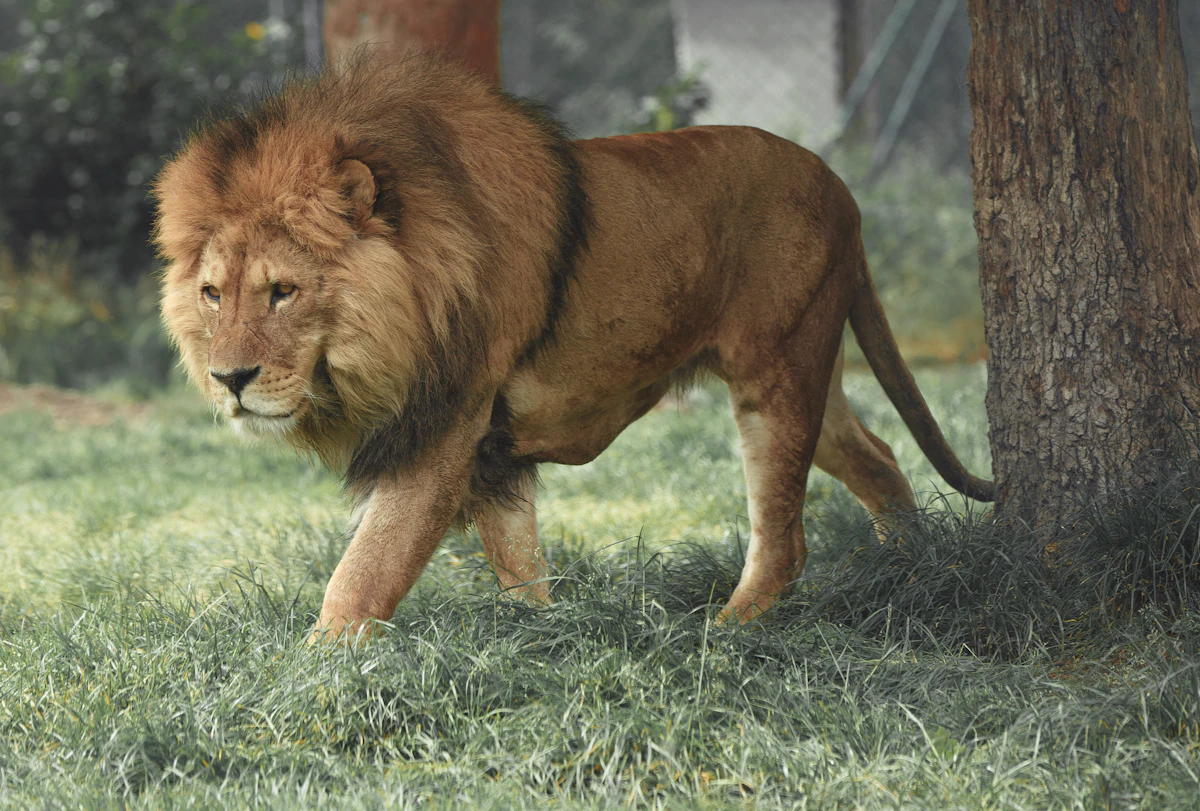
A majestic male lion surveys his territory in the Maasai Mara, one of the best places on Earth for lion sightings.
The Elusive Leopard — Master of Stealth
The leopard (Panthera pardus) is the most enigmatic and challenging of the Big Five to spot. Solitary, nocturnal by nature, and perfectly camouflaged, leopards are masters of concealment. They are incredibly strong for their size — capable of hauling prey twice their own body weight high into a tree to keep it safe from hyenas and lions.
Best Parks for Leopard Sightings
The Maasai Mara's Olare Motorogi Conservancy and the Serengeti's Seronera Valley offer superb leopard viewing. However, the best leopard destination in East Africa is arguably Samburu National Reserve in Kenya, where the resident leopards are habituated to safari vehicles and frequently seen lazing on riverbank fig trees. In Tanzania, Lake Manyara National Park and the Ngorongoro Crater rim also have thriving leopard populations.
Viewing Tips from Our Guides
Leopards are crepuscular — most active at dawn and dusk. Scan tree branches methodically; a dangling tail is often the first giveaway. Listen for the alarm calls of baboons and impalas, which reliably signal a leopard's presence nearby. Our guides recommend booking a full-day drive rather than a standard half-day to maximise your window of opportunity.

A leopard draped over a branch in Samburu National Reserve, a region famous for its habituated leopard sightings.
The African Elephant — Gentle Giant
The African savanna elephant (Loxodonta africana) is the largest land animal on Earth, with bulls reaching up to 7 tonnes. These highly intelligent, deeply social creatures live in matriarchal family units and communicate using infrasound that can travel several kilometres. Watching a herd of elephants move across the savanna is one of the most moving experiences in nature.
Best Parks for Elephant Sightings
Amboseli National Park in Kenya is the world's premier destination for elephant viewing. With the majestic backdrop of Mount Kilimanjaro, Amboseli's open landscape allows for breathtaking photographic compositions. In Tanzania, Tarangire National Park hosts some of the largest elephant herds in East Africa, especially during the dry season when thousands congregate along the Tarangire River.
Viewing Tips from Our Guides
Elephants are active throughout the day but are especially photogenic during the golden hours. Maintain a respectful distance — at least 20 metres — and never block a herd's path to water. Watch for the distinctive body language of an agitated elephant: ears flared, head shaking, and a raised trunk. In Amboseli, the elephants are remarkably habituated, allowing for extraordinary close encounters from the safety of your vehicle.

A family of elephants crosses the Amboseli plains with Mount Kilimanjaro rising in the distance — Africa's most iconic wildlife scene.
The Rhinoceros — Armoured Icon
Both black rhinos (Diceros bicornis) and white rhinos (Ceratotherium simum) are found in East Africa. Despite their names, both species are grey; the "white" derives from the Dutch word "wijd" describing the animal's wide mouth. Black rhinos are more solitary, aggressive, and browser-feeders, while white rhinos are grazers that move in small groups. Poaching has devastated rhino populations across Africa, making every sighting a privilege.
Best Parks for Rhino Sightings
Ol Pejeta Conservancy in Kenya is the largest black rhino sanctuary in East Africa and offers near-guaranteed sightings. Lake Nakuru National Park and Nairobi National Park also host healthy populations. In Tanzania, the Ngorongoro Crater provides excellent white rhino viewing. For the ultimate rhino conservation experience, visit the Ol Pejeta rhino breeding centre to learn about anti-poaching efforts firsthand.
Viewing Tips from Our Guides
Rhinos are most active in the early morning and late afternoon. Black rhinos are shyer and prefer dense bush, so patience is essential. White rhinos are easier to spot on open grasslands. Always approach slowly and keep the engine running — rhinos have poor eyesight but exceptional hearing and can charge if startled. A good pair of binoculars is invaluable for observing these magnificent animals without disturbing them.

A white rhino grazes peacefully in Ol Pejeta Conservancy, one of Africa's most successful rhino sanctuaries.
The Cape Buffalo — The Black Death
The Cape buffalo (Syncerus caffer) is widely regarded as the most dangerous of the Big Five. Known as "the black death" by hunters, this unpredictable bovine can weigh up to 900 kg and is responsible for more hunter fatalities than any other African animal. Buffaloes live in large herds of several hundred individuals, moving across the landscape in coordinated formations that are a spectacle to behold.
Best Parks for Buffalo Sightings
Cape buffalo are widespread across East Africa and can be seen in virtually every major park. However, the largest herds are found in the Serengeti ecosystem, Tarangire National Park, and the Maasai Mara. During the wet season, mega-herds of over 1,000 buffalo gather on the short-grass plains. For dramatic river-crossing scenes, the Mara River during the dry season is spectacular.
Viewing Tips from Our Guides
Buffalo are most active in the cool early morning before retreating to shade during the heat of the day. They frequently associate with oxpeckers, which feed on ticks and give loud alarm calls when danger approaches. Watch for the "dagga boy" — old bulls that have been expelled from the herd and are notoriously ill-tempered. Never get between a buffalo and the main herd; their protective instincts are fierce.

A massive herd of Cape buffalo kicks up dust on the Serengeti plains, moving in their characteristic defensive formation.
Ranger Insider Insight: The Big Five Checklist
Many travellers ask us which order they should try to spot the Big Five. Our advice: don't chase the checklist. Let each sighting unfold naturally. The leopard will test your patience, the rhino will reward your early start, the lion will remind you who rules the savanna, the elephant will humble you with its grace, and the buffalo will command your respect. Tick them all in one trip and you've earned a safari badge of honour that very few can claim.
Frequently Asked Questions
Quick answers to the most common questions about planning a Big Five safari in East Africa.
Both Kenya and Tanzania offer excellent Big Five sightings. Kenya's Maasai Mara, Amboseli, Ol Pejeta, and Samburu collectively offer all five species. Tanzania's Serengeti, Ngorongoro Crater, and Tarangire are equally productive. We recommend a combined itinerary for the best possible experience.
The dry season (June to October) offers the best wildlife viewing overall, with sparse vegetation and animals congregating around water sources. However, the green season (November to May) provides lush scenery, newborn animals, and fewer tourists. Each season has unique advantages.
We typically recommend 7 to 10 days spread across two or three different parks. This gives you enough time for multiple game drives in each ecosystem, significantly increasing your chances of completing the Big Five. A well-planned 7-day itinerary can achieve this comfortably.
No wildlife sighting is ever guaranteed in the wild. However, we strategically select parks and conservancies with the highest population densities for each species. Lions, elephants, and buffalo are near-certainties in most major parks. Leopards and rhinos require more luck and patience, though we know the best spots.
Pack neutral-coloured clothing (khaki, olive, beige), a quality pair of 8x42 or 10x42 binoculars, a camera with a 200-400mm zoom lens, sun protection, insect repellent, a warm fleece for early morning drives, and comfortable walking shoes. Your pre-departure briefing will include a detailed packing list.
Absolutely! Popular additions include gorilla trekking in Uganda or Rwanda, witnessing the Great Migration in the Mara or Serengeti, relaxing on Zanzibar or Diani beaches, visiting the Ngorongoro Crater, or cultural experiences with Maasai communities. We specialise in crafting seamless multi-experience itineraries.